








Land, seasons and table
What to eat in the Val d’Orcia: flavours, seasons and local produce
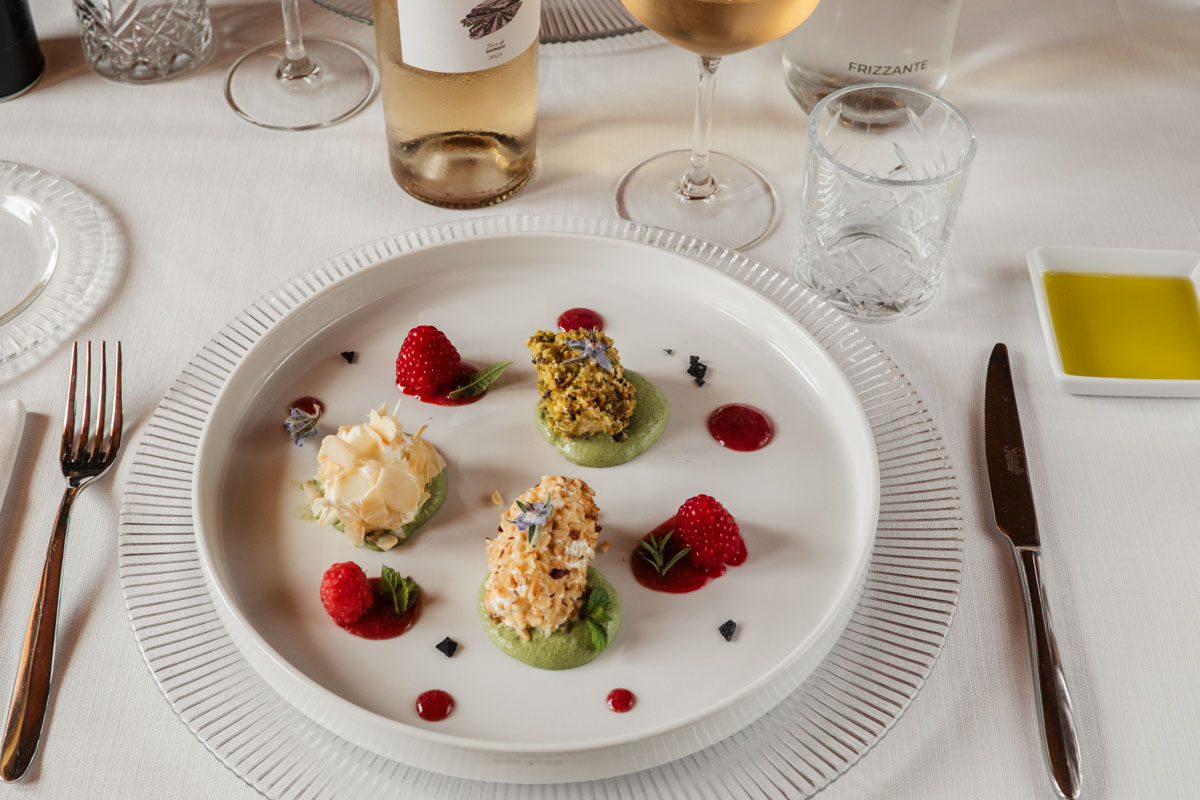
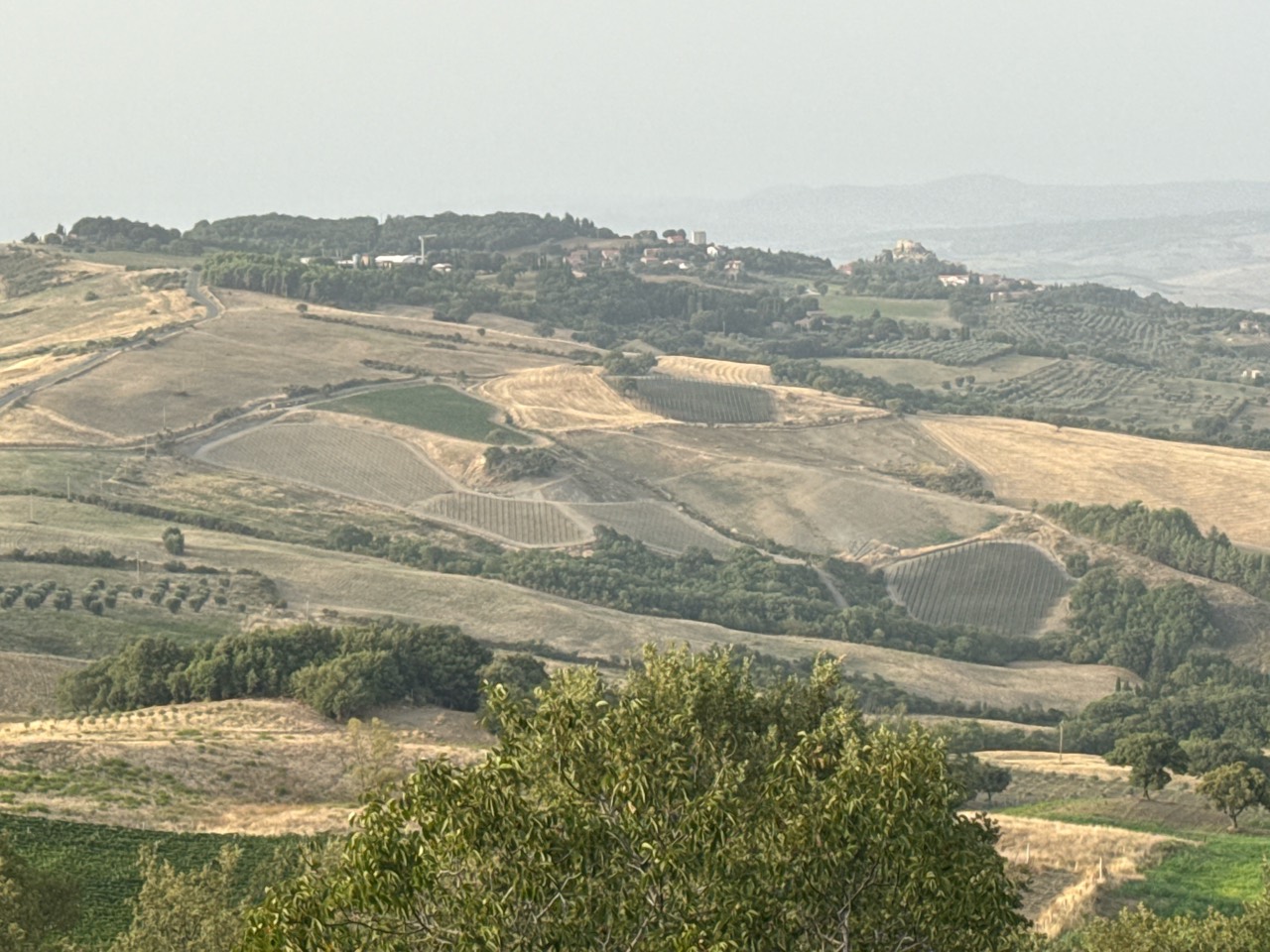
Here, the cuisine grows out of the landscape: grain and bread, pastures, olive groves, kitchen gardens, woods and vineyards become dishes that tell the story of this place without separating it from its seasons.
A first map
Six flavours to look for
From hand-rolled pasta to freshly pressed olive oil, these six flavours offer a way into the cooking of Val d’Orcia, its seasons and the work of the people who farm this land.
- 01Pici and hand-rolled pasta
- 02Bread and resourceful recipes
- 03Pecorino cheeses and ageing
- 04Extra virgin olive oil
- 05Tuscan meats and livestock farming
- 06Kitchen garden, saffron and woods
Before the dish
Here, the landscape enters the kitchen
The Val d’Orcia is a living agricultural landscape. Cereal fields, meadows, pastures, olive groves, kitchen gardens, woods and vineyards are more than a backdrop: they explain why the local table changes with the calendar and why the origin and transformation of ingredients matter as much as the recipe.
Terre di Giorgio cultivates this relationship through its own organic farming project , in which hospitality and cuisine remain part of the same story.
Inside the flavours
Six gastronomic stories
Tradition does not mean repetition. It means understanding the ingredients, respecting where they come from and allowing each season to suggest a different way of bringing them to the table.
01
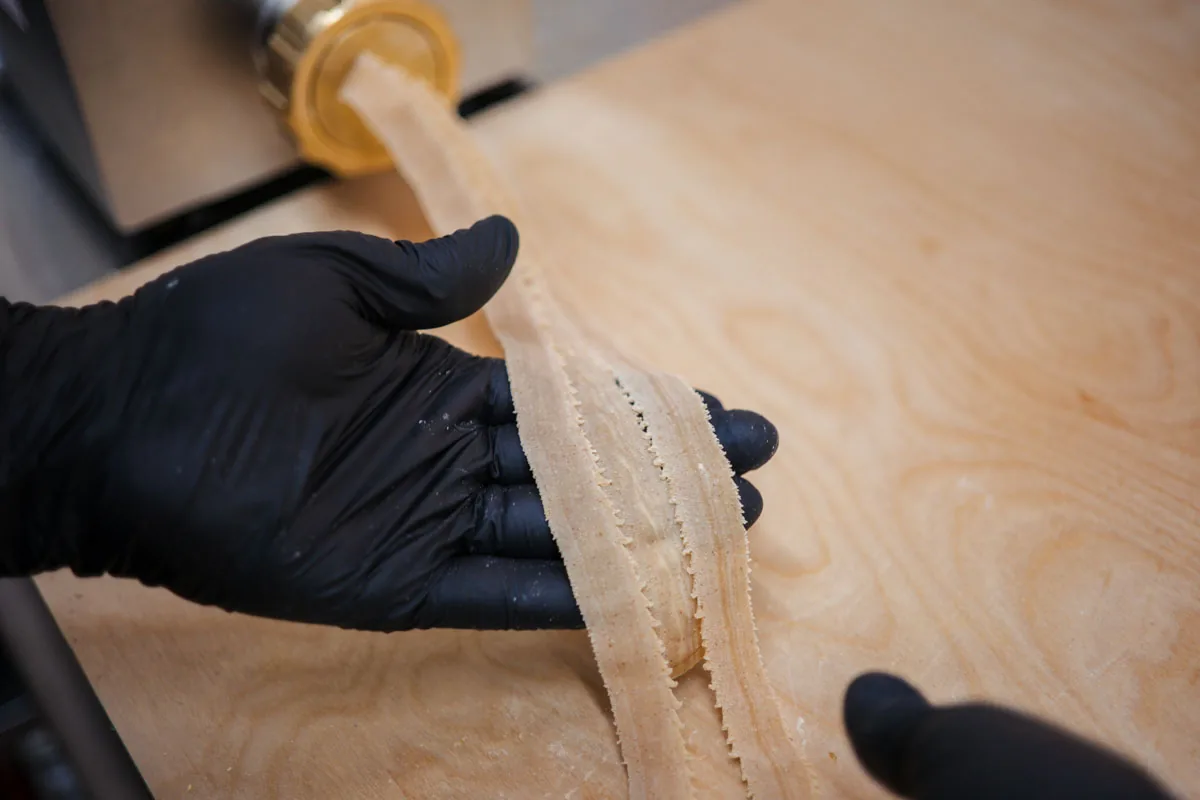
Pici, the art of making pasta
Flour, water and salt become a thick pasta, traditionally rolled by hand. Sauces made with meat, aglione garlic or breadcrumbs tell the story of Sienese cooking: simple, generous and down-to-earth.
02
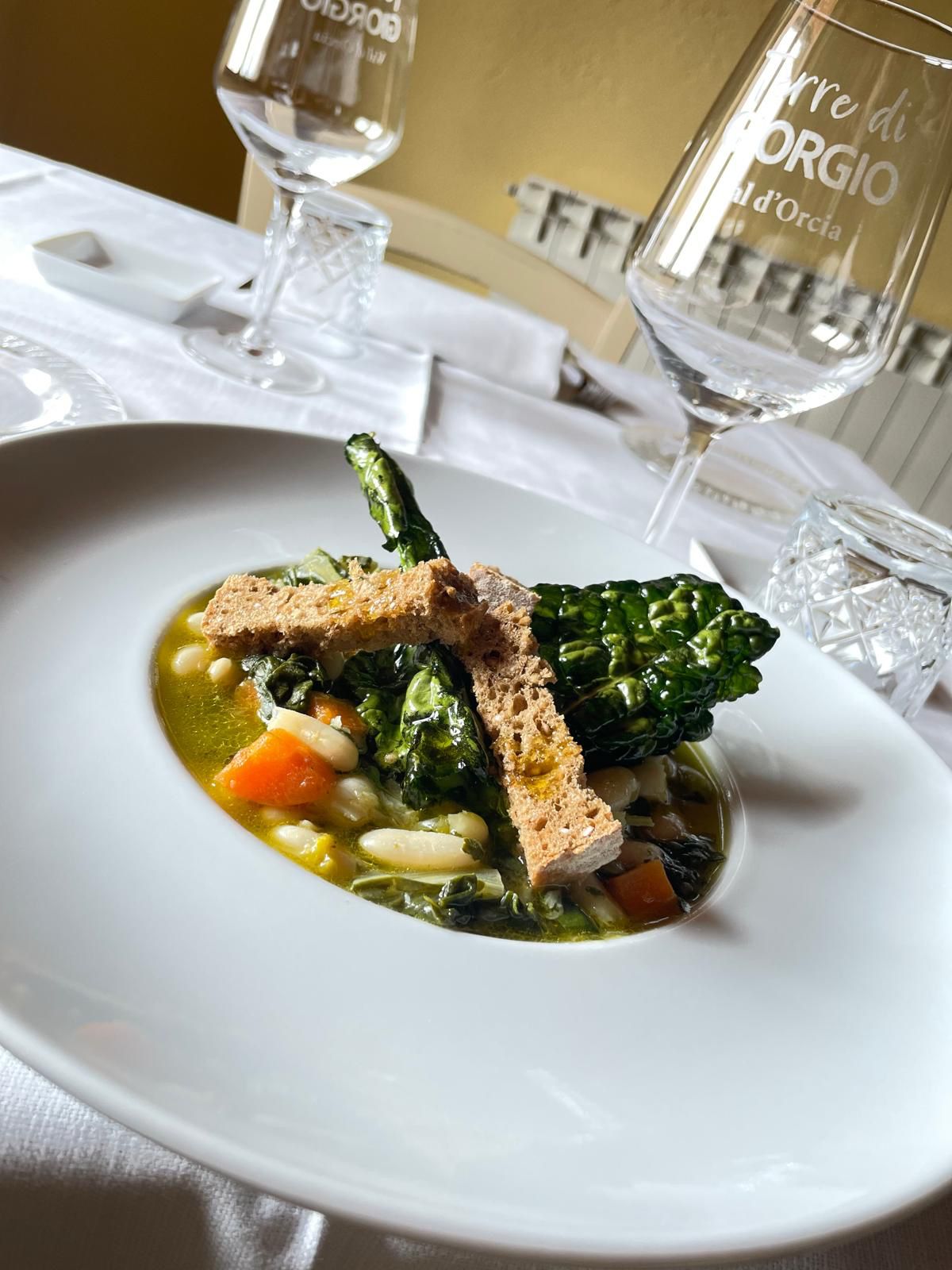
Bread, soups and memory
Tuscan bread accompanies cured meats and cheeses, but it finds a second life in soups, pansanto and recipes created to waste nothing. Ribollita belongs to this domestic wisdom: the following day is not about leftovers, but the dish’s next stage.
03
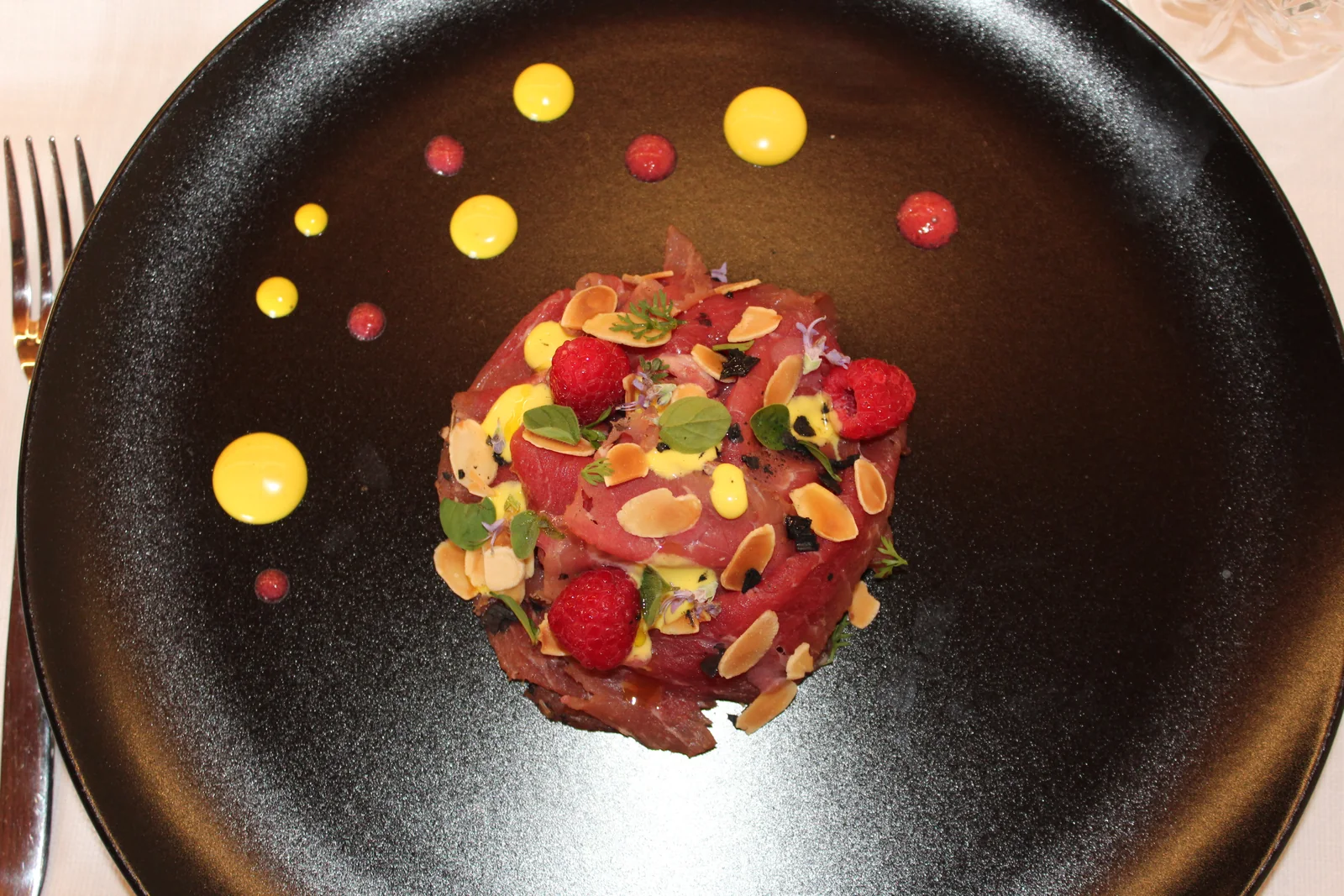
Pecorino, milk and time
Fresh, semi-aged or mature: pecorino changes in texture and intensity according to the milk, production method and ageing. Knowing the producer, origin and maturation makes tasting more precise and more rewarding.
04
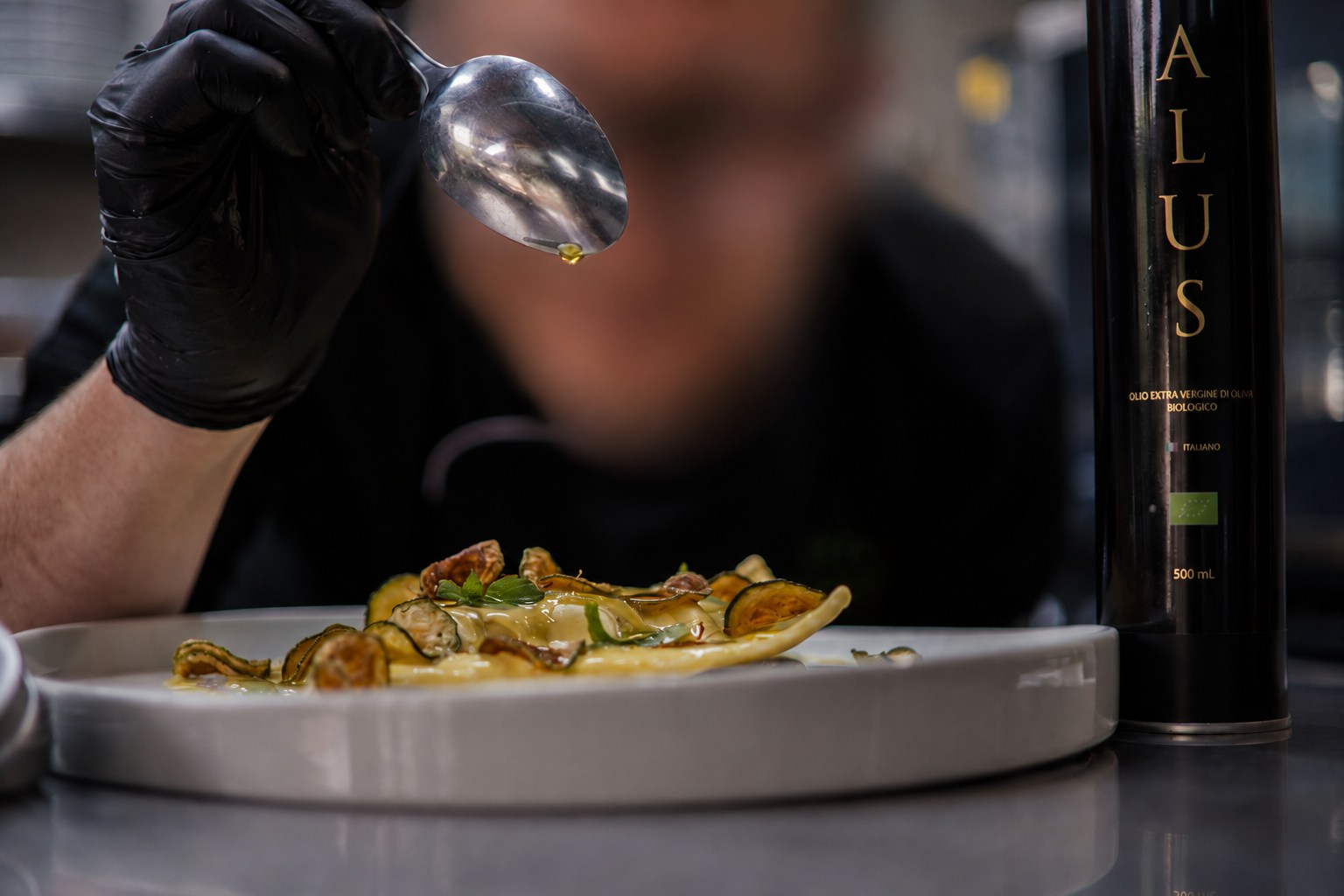
The oil that brings the table together
Extra virgin olive oil connects bread, vegetables, soups and meats. The harvest year, cultivars, origin of the olives and mill reveal its identity better than any generic formula.
05
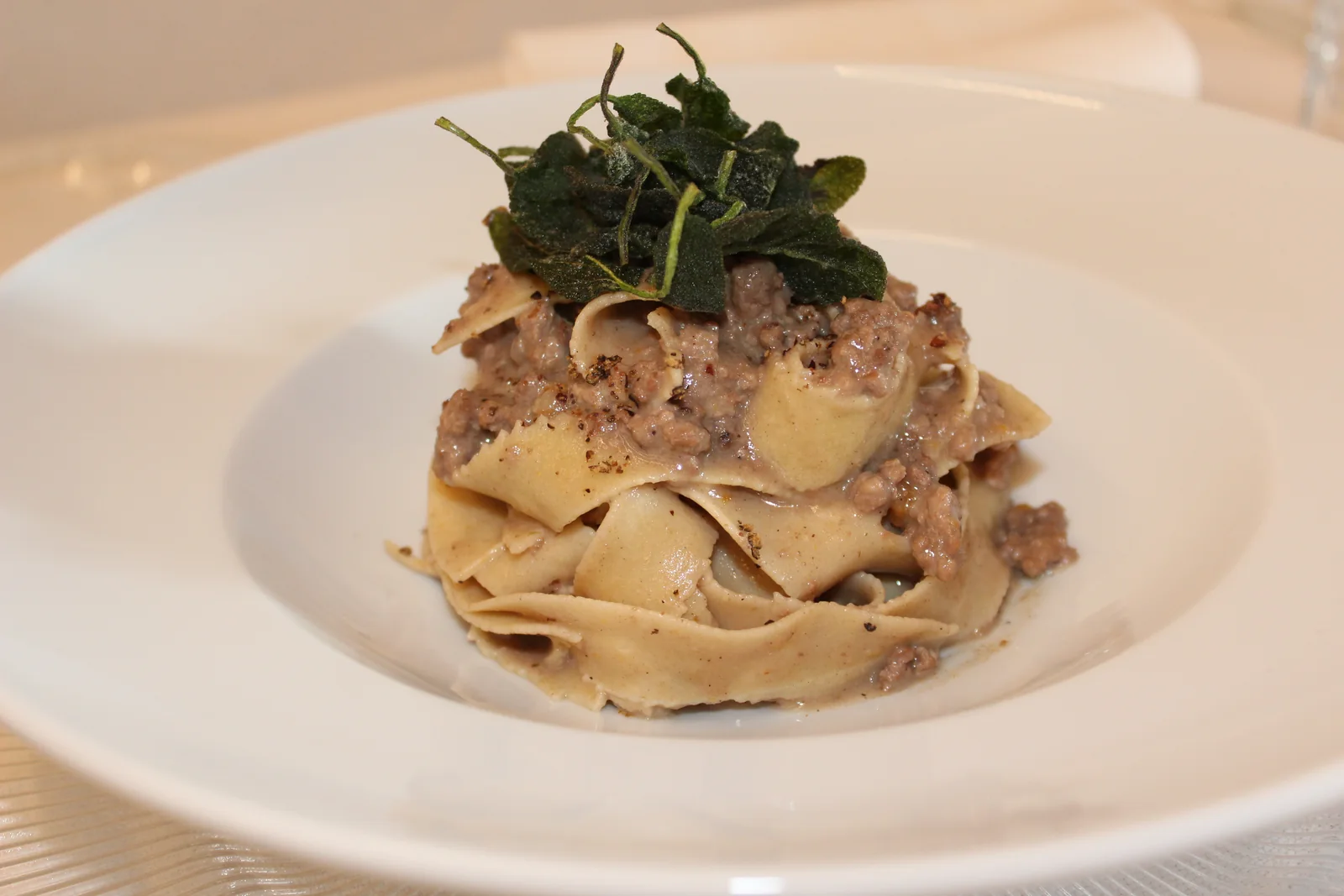
Meats, breeds and supply chains
Behind Tuscany’s meat dishes are different breeds, farmers and ways of raising livestock. Knowing where the meat comes from and who produces it adds another dimension to what you taste, from farm to kitchen.
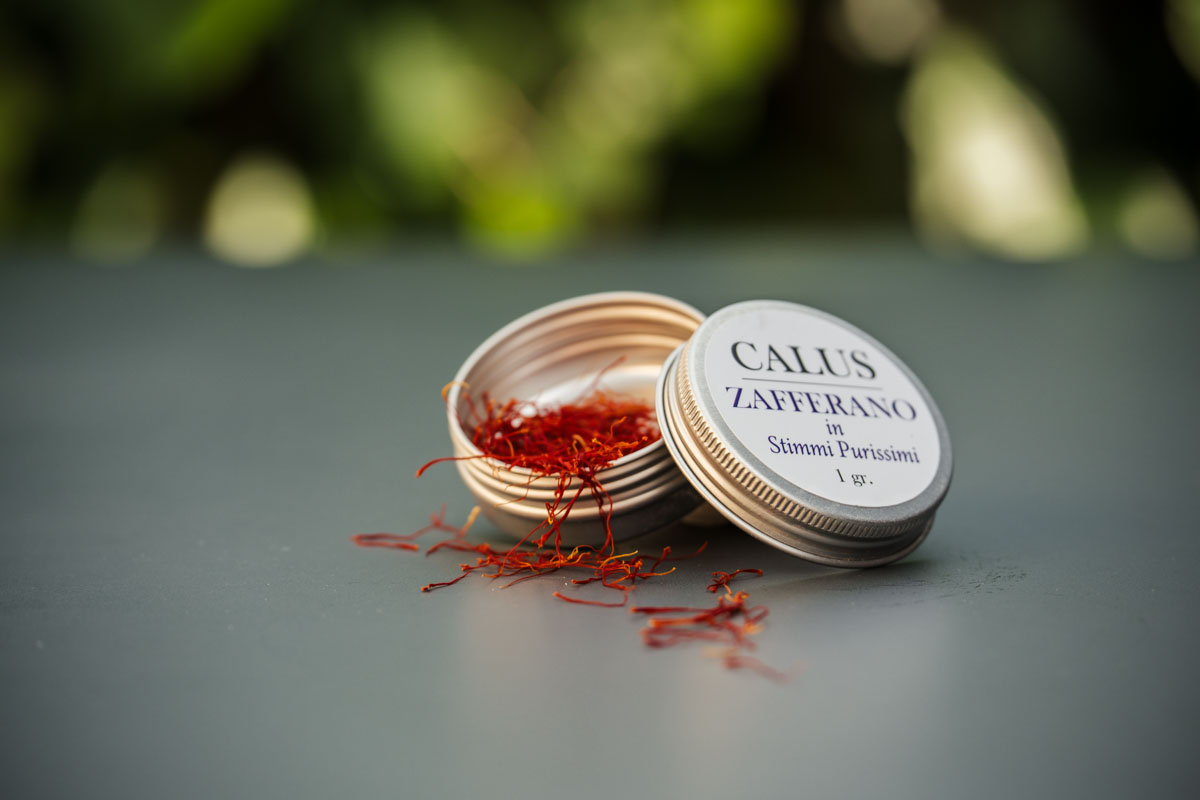
06
Kitchen garden, saffron and woods
The kitchen garden brings vegetables, herbs and pulses to the table; the woods add mushrooms and chestnuts. Saffron has a fragrance all its own. Each flavour has its moment, shaped by the seasons and the harvest.
The calendar on the plate
Every season has its own character
Cooking on a farm follows life just outside the door: the first shoots, summer vegetables, autumn harvests and winter’s slow-cooked dishes. The menu changes along with the fields and the seasons.
Herbs and shoots
Young vegetables, wild herbs and fresher flavours accompany the fields as they awaken.
Kitchen garden and conviviality
Tomatoes, vegetables, aromatic herbs and outdoor dinners give the table a sunlit rhythm.
Woods and harvests
Mushrooms, chestnuts and the new season’s olive oil accompany more comforting dishes, depending on the year’s harvests and availability.
Bread, pulses and slow cooking
Soups, resourceful bread recipes and long preparations bring peasant cooking back to the centre.
A taste of autumn
What to eat in Val d’Orcia in autumn
As the colours grow warmer, the table welcomes the scents of the Amiata woodlands and the olive harvest. Mushrooms, chestnuts and freshly pressed olive oil are three good reasons to return: each arrives in its own time, depending on the harvest and the season.
Mushrooms and porcini, the scent of the woodland
Nearby Monte Amiata is part of Val d’Orcia’s culinary landscape. In autumn, mushrooms, especially porcini, take centre stage in local cooking and village festivals. At the table, ask which daily specials feature them: harvests vary, and their availability is worth checking rather than taking for granted.
Chestnuts, roasted chestnuts and castagnaccio
Chestnuts reveal another side of Amiata: its chestnut groves and a cuisine that has turned the fruits of the woodland into nourishment and celebration. Look for them roasted, in castagnaccio and in chestnut-flour polenta. These traditional preparations are worth discovering on menus and at seasonal gatherings.
Freshly pressed extra virgin olive oil, a taste of the harvest
The olive harvest brings the new season’s oil. A slice of bread or a drizzle of extra virgin olive oil over pulses and vegetables is a simple way to discover its character. At Terre di Giorgio, olive oil is part of both our farming and our cooking: ask us when oil from the new harvest will be available, so you can taste it at the right time.
Planning an autumn visit? View the Terre di Giorgio restaurant menu and contact us to find out which dishes will be available on your chosen date.
From the land to hospitality
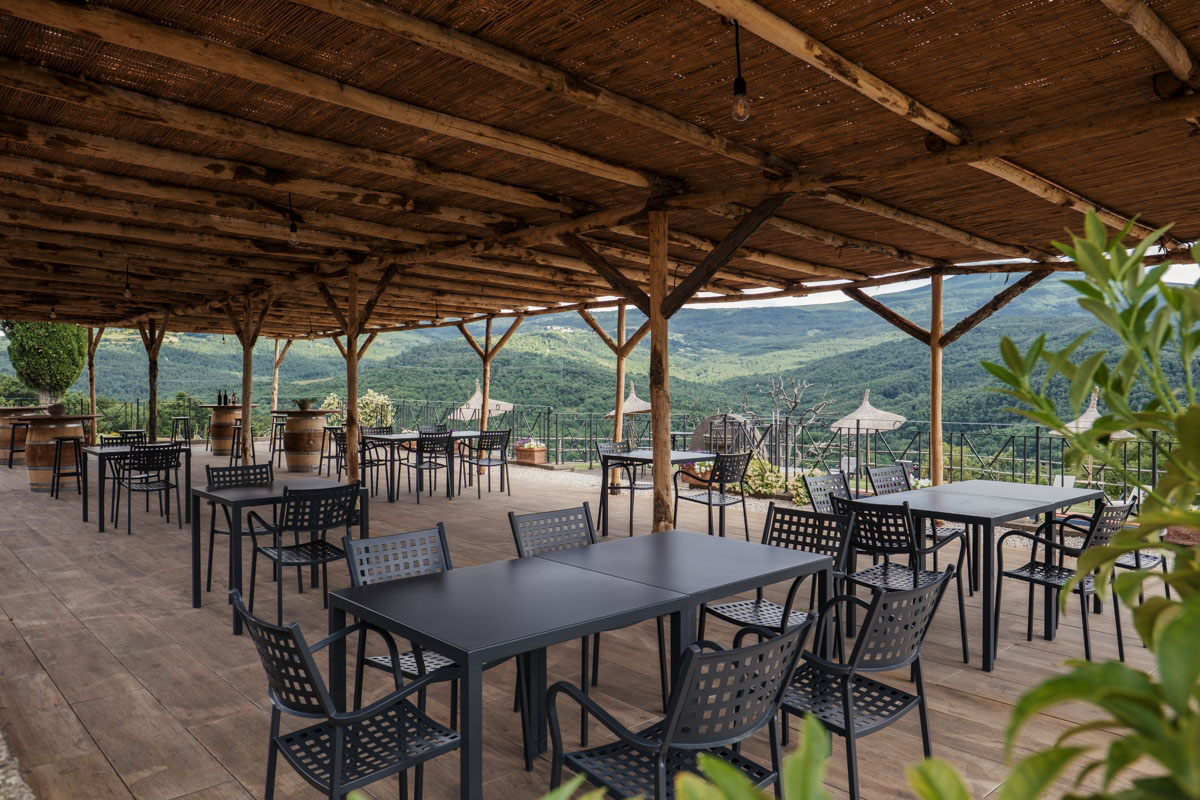
How we share Terre di Giorgio with you
For us, Terre di Giorgio is a way of doing things: growing, welcoming and cooking with the same care. We hope that a glass of wine, a meal or a day spent here will help you feel part of this place.
In our kitchen, what we grow meets ingredients we choose from other producers. We enjoy telling you where they come from and why we chose them. These encounters, and what the season brings, shape the menu.
We like to think you can taste a sense of place in a dish, even before we tell you its story.
The same philosophy in the glass
Tuscan grape varieties, high-altitude vineyards and single parcels
Terre di Giorgio’s vineyards lie at around 600 metres above sea level, within the production area of the Orcia DOC. The estate has chosen not to claim this designation for CALUS and DIANA, which are presented as Toscana IGT wines.
We chose to begin with our vineyards: native Tuscan grape varieties, altitude and plots especially suited to growing vines. This is where we look for the character of our wines: a way to share this landscape, and the work of the people who care for it, at the table.
Discover more about Terre di Giorgio’s wines and explore the individual vineyards.
Before choosing
Three questions to bring to the table
-
01
What season is it?
A changing menu can reveal a genuine relationship with the kitchen garden, fields and woods.
-
02
Where does it come from?
Distinguishing estate-grown and local produce from ingredients sourced elsewhere makes the story more transparent.
-
03
Who made it?
A producer’s name, a family story or a distinctive way of working can start a conversation and give you a little more to savour.
Working the land, enjoying time together
Farm experiences at Terre di Giorgio
Meeting the people who work the land is another way to get to know a place. A tasting, a walk among the vines or a dinner after work in the vineyards can add a different meaning to a stay: wine and food tell the story of a season’s work.
Each season brings different reasons to come together. Write to us before your visit and we’ll tell you what we’re planning and how you can join us.
Frequently asked questions
Finding your way around the table
What are the most representative flavours of the Val d’Orcia?
Pici, bread and resourceful soups, pecorino cheeses, extra virgin olive oil, meats linked to Tuscan livestock farming, and seasonal produce from kitchen gardens and woods. Their presence on menus varies throughout the year.
How can you correctly identify a DOP pecorino?
The designation must apply to the specific cheese and be verifiable on the label. The producer, origin of the milk and ageing also help you understand pecorino cheeses without DOP certification.
Are traditional dishes always available?
No. Fresh mushrooms, chestnuts, vegetables and some festive preparations follow precise harvests and calendars. The current menu remains the source to check before your visit.
What changes in autumn?
Autumn brings a taste for mushrooms, chestnuts, the new season’s olive oil and more comforting cooking. To try the oil from the new olive harvest or a particular dish, always check availability for the date of your visit.
Is the Terre di Giorgio standard a certification?
No. It is the internal method through which the estate connects farming, individual vineyards, cuisine and hospitality, while always distinguishing the origins and actual qualifications of its ingredients.
Sources and editorial criteria
This guide uses institutional, regional and consortium sources. Regional sources document culture and production, but do not prove that a dish is currently available.
- UNESCO World Heritage Centre — Val d’Orcia
- Vetrina Toscana — Pici
- Vetrina Toscana — Pane Toscano DOP
- Consorzio Pecorino Toscano DOP — production specification
- Consorzio Cinta Senese DOP — documents
- Consorzio Vitellone Bianco — production specifications
- Consorzio Olio DOP Terre di Siena
- MASAF — list of DOP and IGP products
- Consorzio del Vino Orcia — designation documentation
- Visit Tuscany — mushrooms and autumn flavours on Amiata
- Visit Tuscany — chestnuts and the cuisine of Amiata
- Consorzio Olio Toscano IGP — the new season’s olive oil at the table
Last editorial update: 3 September 2026.