



Earth First
Organic farming in Val d’Orcia
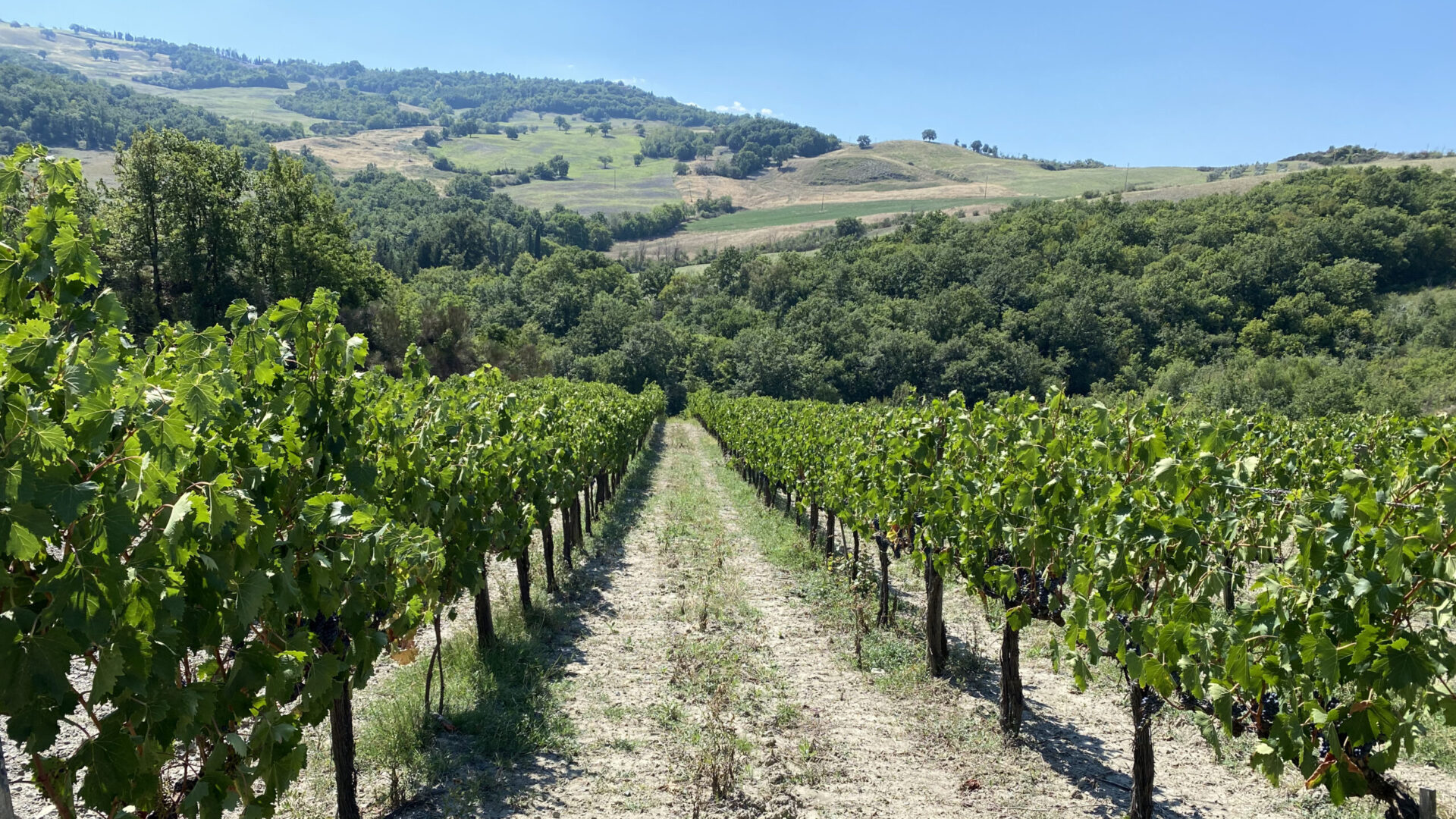
At Terre di Giorgio, organic farming is more than a certification. It means understanding the soil, rotating crops, caring for our woodland and producing food, wine and olive oil with future generations in mind.
A 120-hectare farm working as one living system
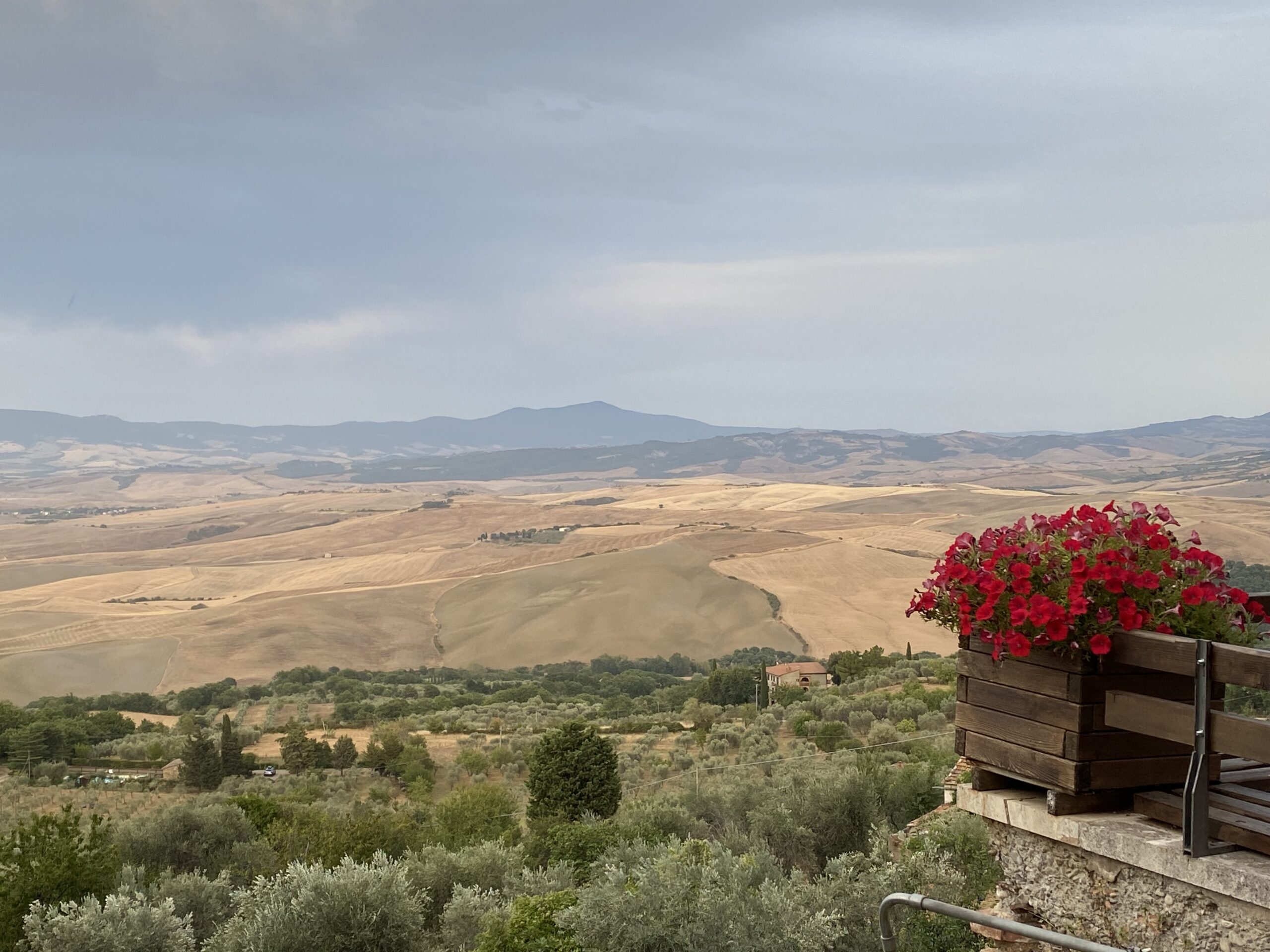
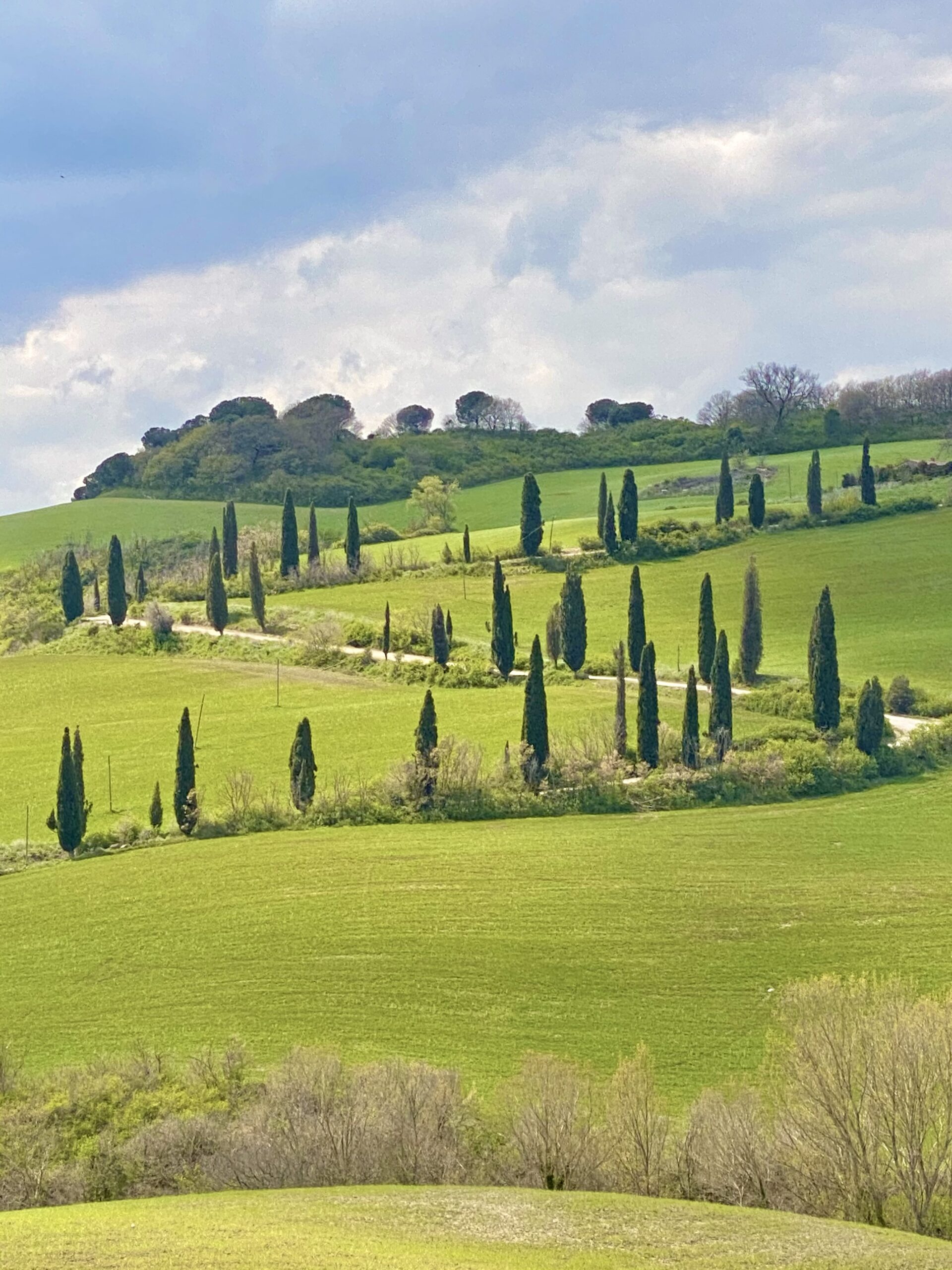
On the slopes of Monte Amiata, vineyards, olive groves, heritage grains, pulses, vegetables and woodland form a single working landscape.
Organic farming is about prevention rather than correction. We build fertility over time, supporting plant health through sound soil structure, biodiversity and cultivation methods suited to each plot.
Crop rotation
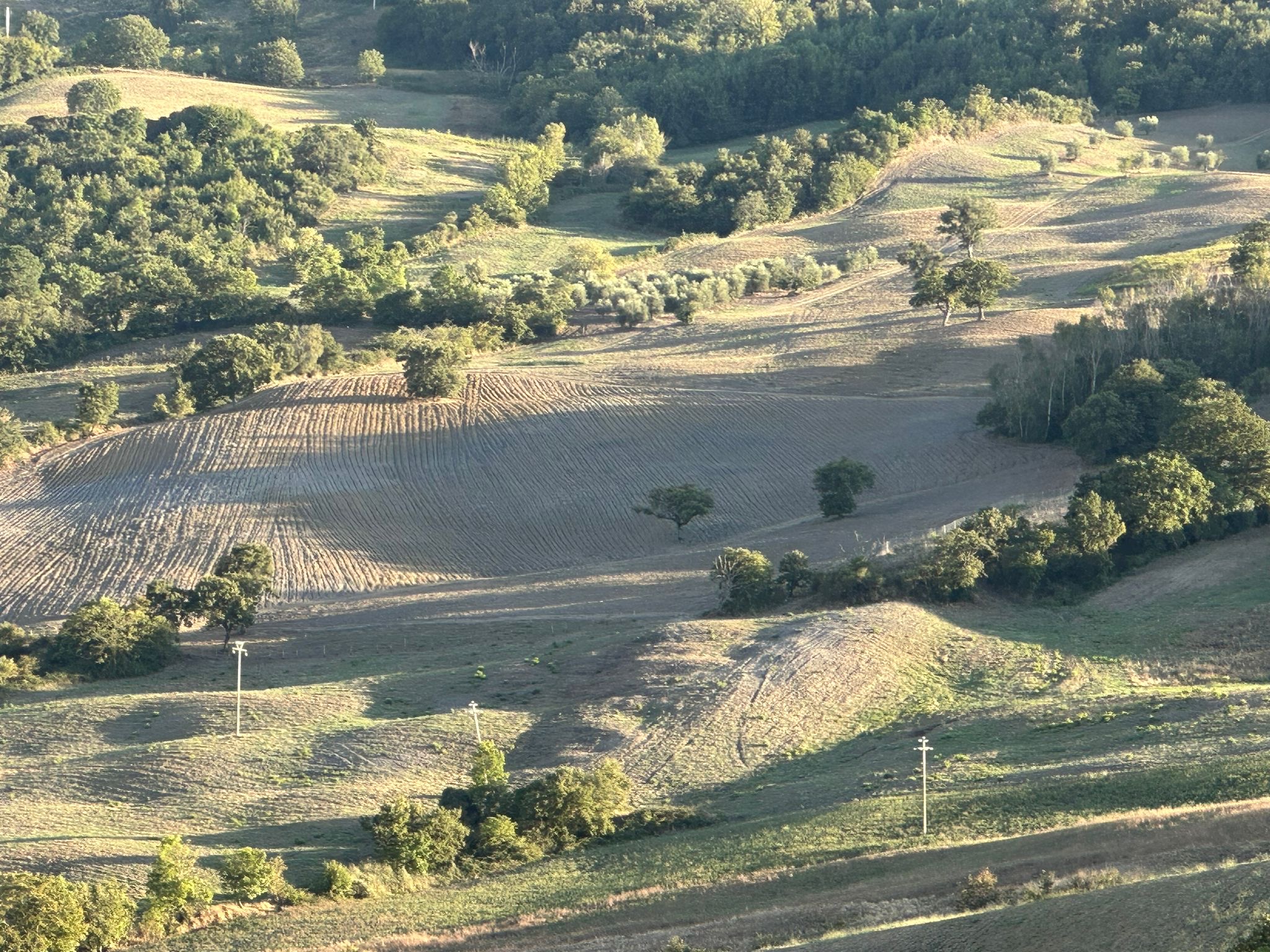
We rotate cereals, legumes, and other crops to avoid constantly demanding the same nutrients from the soil. Legumes support the nitrogen cycle, while different root systems work at different depths and interrupt weed and pest cycles.
Crop rotation is a recognised principle of European organic farming because it supports long-term soil fertility and plant health without chemical shortcuts.
Green manure and organic matter
When the crop cycle allows, autumn cover crops protect the soil, support biological activity and build organic matter. In vineyards and olive groves, grass cover is managed to limit erosion and compaction.
The goal is not to “force” production, but to maintain a living soil capable of sustaining quality and continuity over time.
Deep autumn tillage, only where needed
On selected plots, we use targeted deep tillage in autumn to break up compacted layers, improve water infiltration and prepare the soil for the next crop. It is never routine: depth, timing and equipment are chosen according to the soil, slope and conditions on the ground.
This care is essential in Val d’Orcia, where water management, erosion risk and the preservation of soil structure call for precise agronomic decisions.
Caring for vineyards and olive groves for the long term
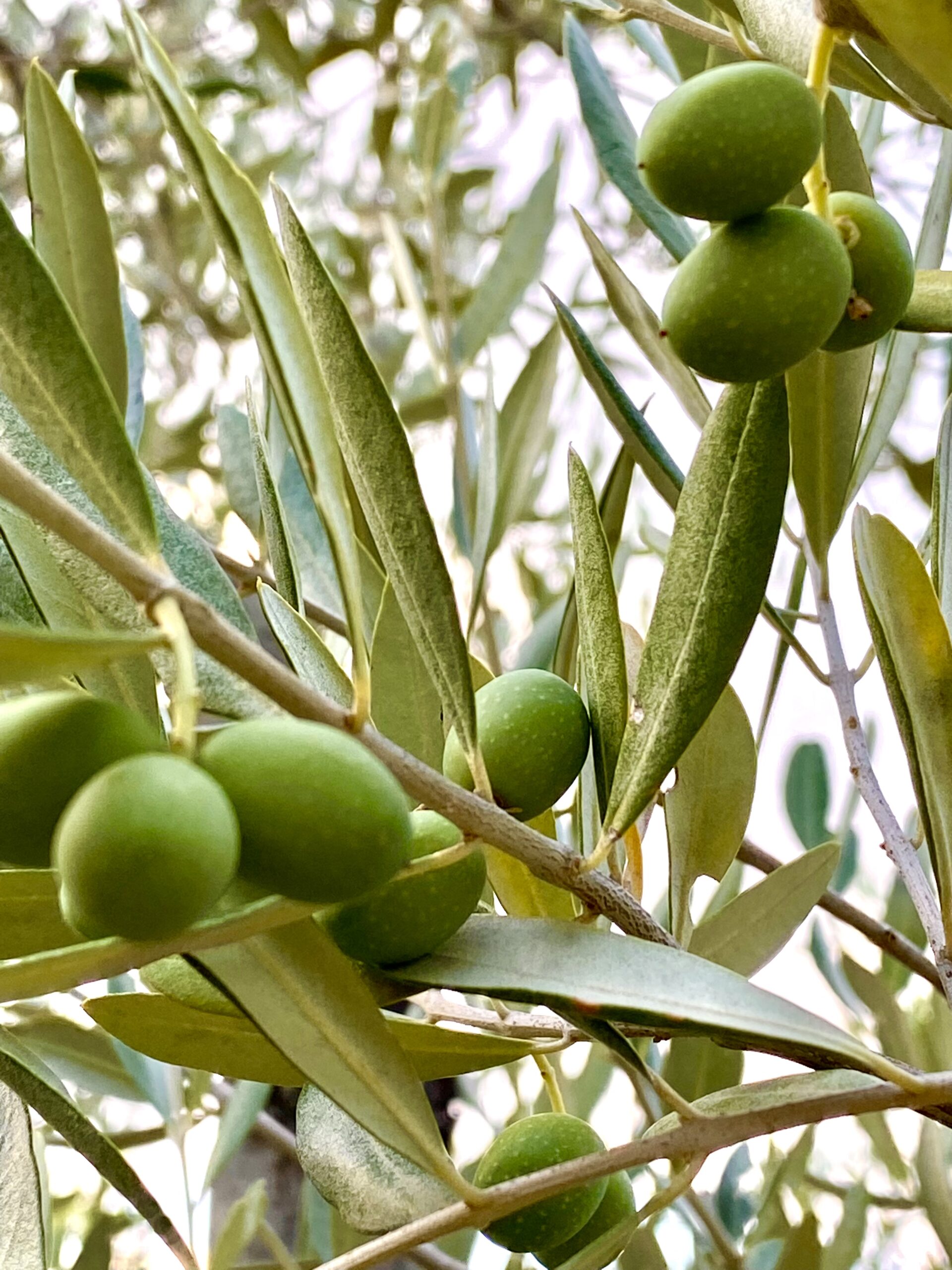
In the vineyard, pruning aims to preserve sap flow and support the vines’ longevity. Harvest can continue into October to achieve full ripeness and express the character of the land. In our olive groves, we use a polyconic vase training system, which supports healthy canopies and hand harvesting.
Our wine and extra virgin olive oil are the result of patient, long-term care for this landscape.
Distinct vineyards, each with its own identity
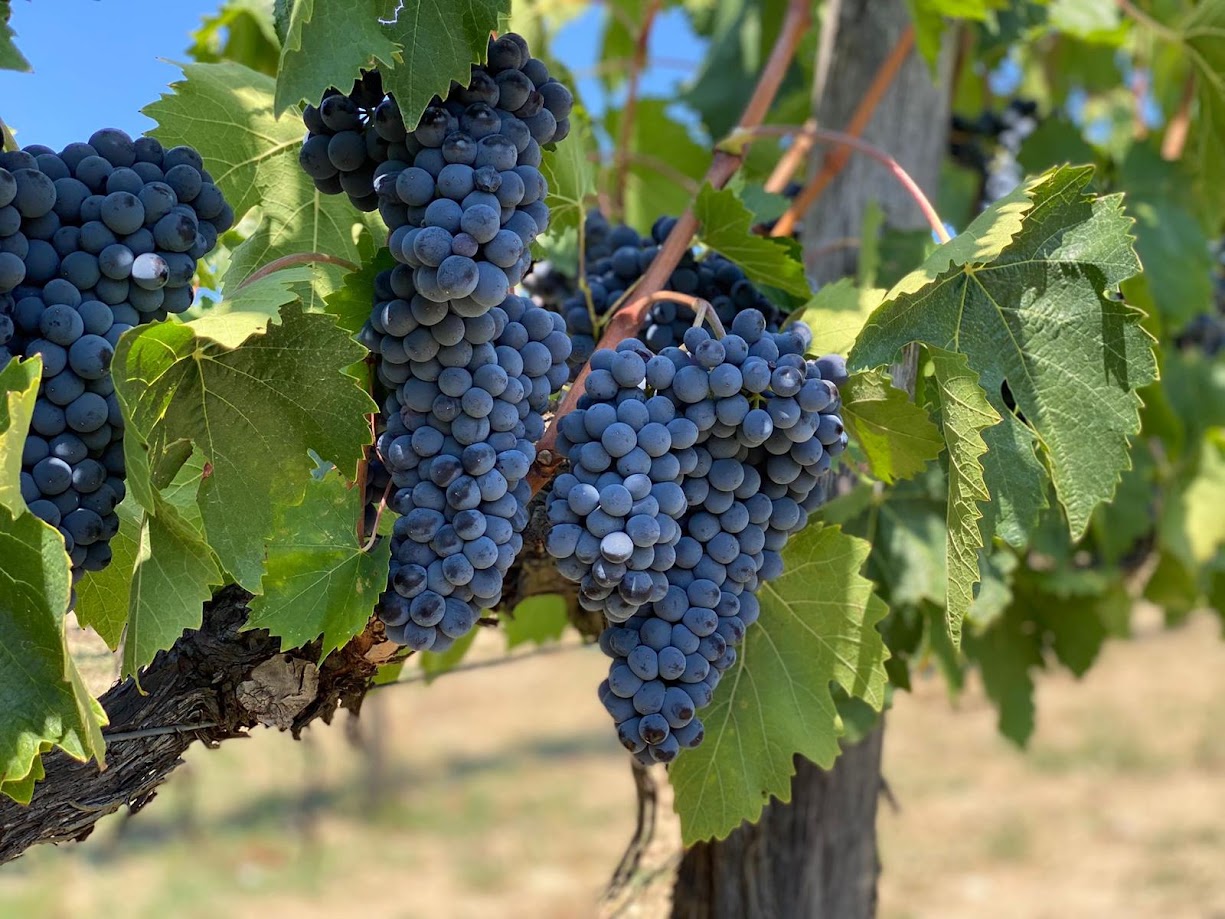
Every vineyard has its own name, soil and agronomic identity. We grow Sangiovese in Vigna Diana, Vigna delle Querce and Vigna 78; Cabernet Franc in Casa nel Bosco Est and Casa nel Bosco Ovest; and Vermentino in Vigna del Fosso Est and Vigna del Fosso Ovest.
Vigna 78: a living library of Sangiovese
Vigna 78 is our project dedicated to the clonal diversity of Sangiovese. Its three micro-vineyards allow us to observe and compare different clones and rootstocks under the conditions of our estate, building a deeper understanding of how the vines and individual sites respond over time.
Historic vineyards and new plantings
- Vigna Diana and Vigna delle Querce: historic Sangiovese parcels;
- Vigna 78: three micro-vineyards dedicated to clonal research on Sangiovese;
- Casa nel Bosco Est and Casa nel Bosco Ovest: two distinct Cabernet Franc parcels;
- Vigna del Fosso Est and Vigna del Fosso Ovest: two distinct Vermentino parcels.
Technical data, parcel by parcel
The dedicated vineyard page brings together photographs and verified technical data for each parcel, including area, clones, rootstocks, training systems, rows and vine counts.
Woodland: habitat, soil protection and carbon storage
The estate's woods preserve habitats, protect the soil, and store carbon in their biomass and soil. For this reason, we consider them part of our natural infrastructure, not unproductive land.
We deliberately speak of carbon storage, not climate neutrality: a net balance would require a complete, certified measurement of emissions and removals across the entire business.
Sustainability you can taste
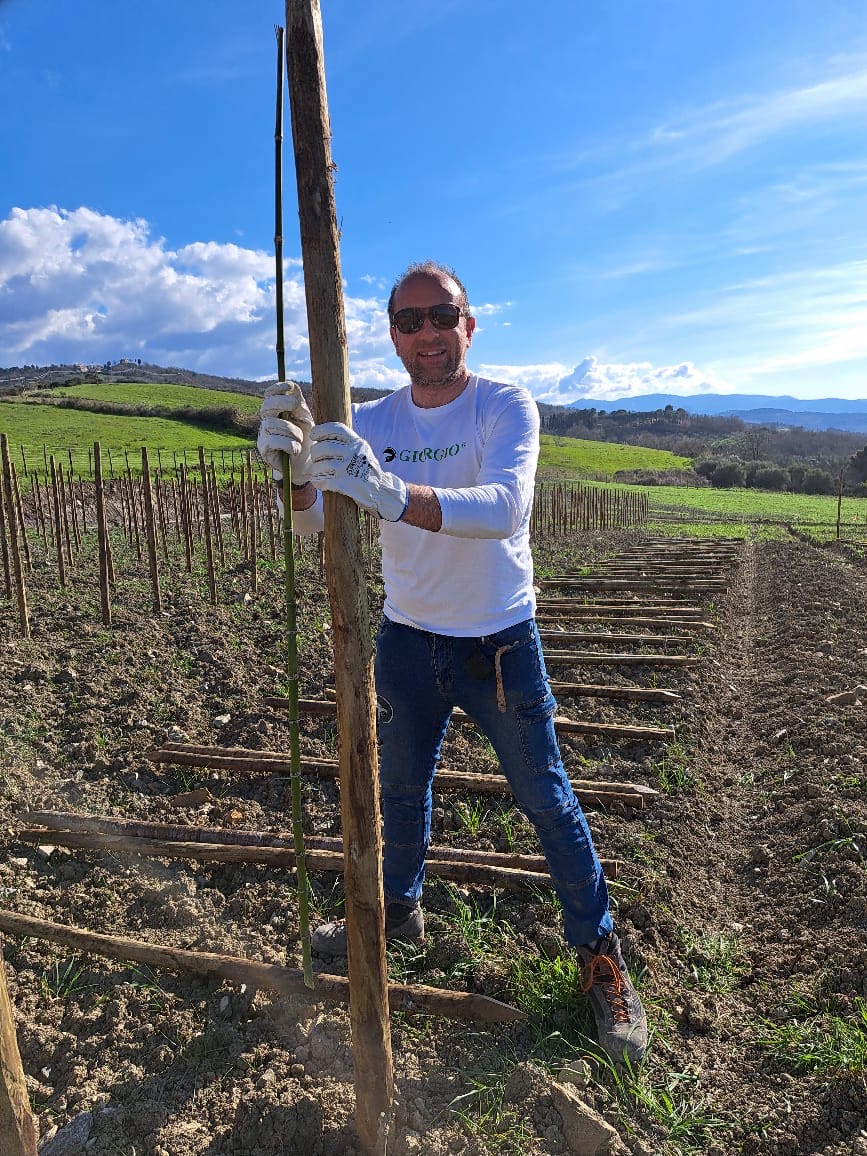
The principles we follow in the fields shape our wines, olive oil, food and the way we welcome guests. At Villa La Palazzetta, visitors stay on a working farm, not in a landscape staged for tourism.
Frequently asked questions about our organic products
What do you grow?
Grapes, olives, heritage grains, pulses, vegetables and other crops grown in rotation across our 120-hectare farm.
Why do you rotate crops?
To balance nutrient demand, build soil fertility, diversify root systems and reduce pressure from weeds and pests.
Do forests offset all emissions?
No. We make no claim that they do. Our woodland stores carbon and has high ecological value, but any claim of climate neutrality would require a complete, certified inventory.