







Vigna 78: getting to know the soil, one area at a time
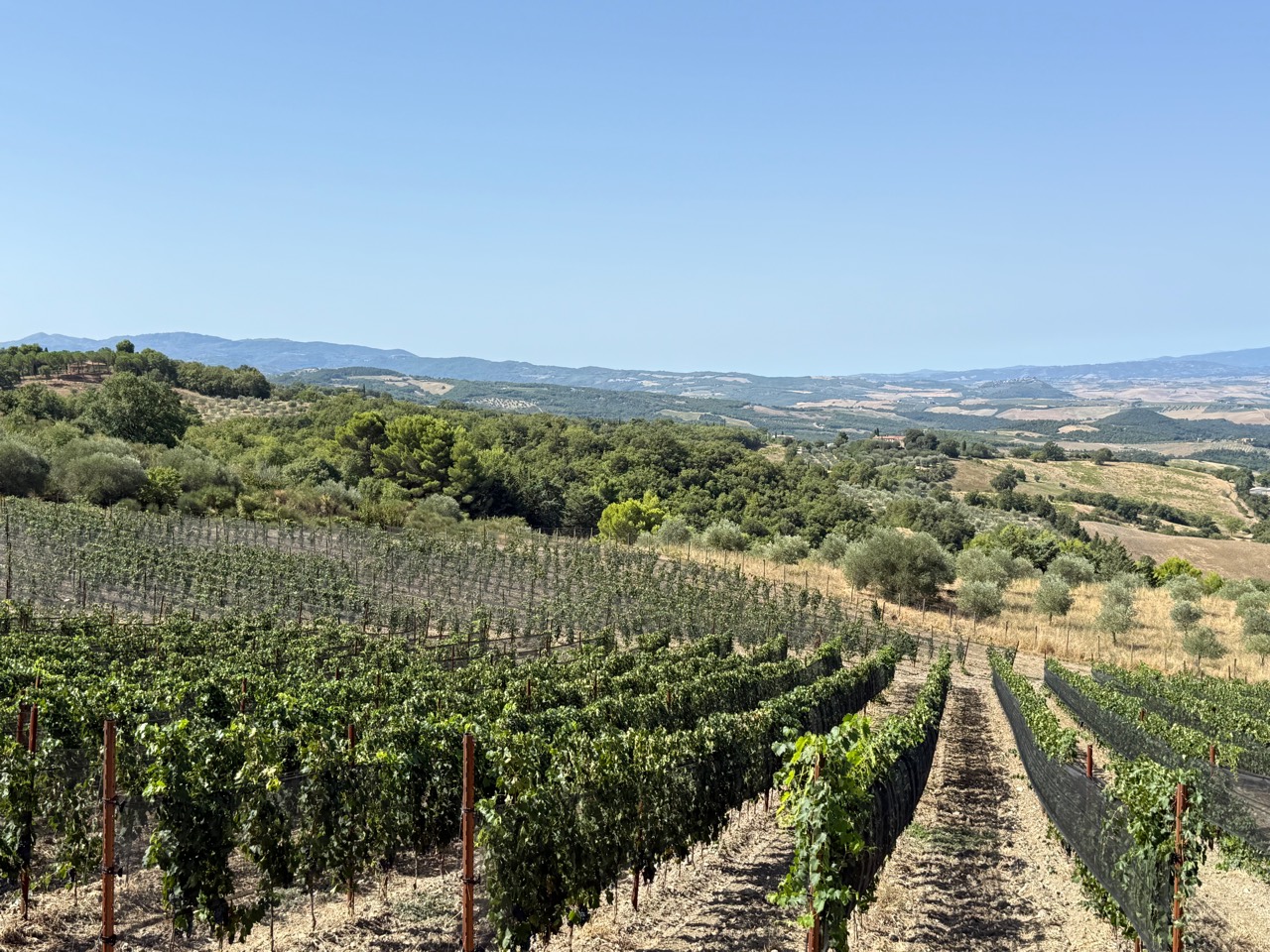
From a distance, the vine rows form a single landscape. To understand the ground beneath them, you need to look more closely. The September 2023 analyses for the project named “Vigna78” tell that story: within the same area, samples revealed differences in clay, sand, organic matter and nutrients.
It is a stage in planning a vineyard that we enjoy sharing with wine lovers. Before the rows are planted and the grapes are harvested, there is a very practical question: what will the roots encounter?
Clay, marl and limestone
The agronomic report of 1 September 2023 placed the soils examined within the Sillano geological formation. It described a predominantly clay matrix with marl, marly limestone and calcarenite. That broad picture was the starting point; comparing the samples brought the detail into focus.
Three samples, different ground
Sample 4 was clayey and moderately calcareous. Sample 5 had a more pronounced sandy component. Sample 6 was clayey again, but at the time of sampling it contained less organic matter than the other two.
The analyses also looked at nutrients. Phosphorus was low and not readily available, while potassium and its balance with magnesium and calcium varied. These differences led the consultants to recommend different approaches for the areas within the project.
A sandier area calls for a closer look
The report of 15 September 2023 identified a sandier area within the plot named “Vigna78”, with a lower cation exchange capacity than the other areas. The consultant considered it more vulnerable to drought in the early years after planting, before the roots had grown deeper.
It is a good example of the value of looking closely: a difference in the soil becomes a question to address while a vineyard is still being planned. These analyses tell the story of that stage in 2023, before the planned planting.
Our approach to wine begins with a place
At Terre di Giorgio, native Tuscan grape varieties and the identity of individual vineyard parcels are central to our approach. Looking at differences in the soil is one way into that philosophy: getting to know what makes a place distinctive, giving it attention and staying curious.
We want that same thread to run through our hospitality and cooking: an experience in which landscape, food and wine belong to the same story. To get to know us better, start with our vineyards and continue with the wines of Terre di Giorgio.