









Villages, water and country life
What to do and see in the Val d’Orcia
A square to linger in, the outline of a fortress, a lane through the fields. Set out from Terre di Giorgio to explore the area around Castiglione d’Orcia, from its villages and springs to the landscapes of Monte Amiata.
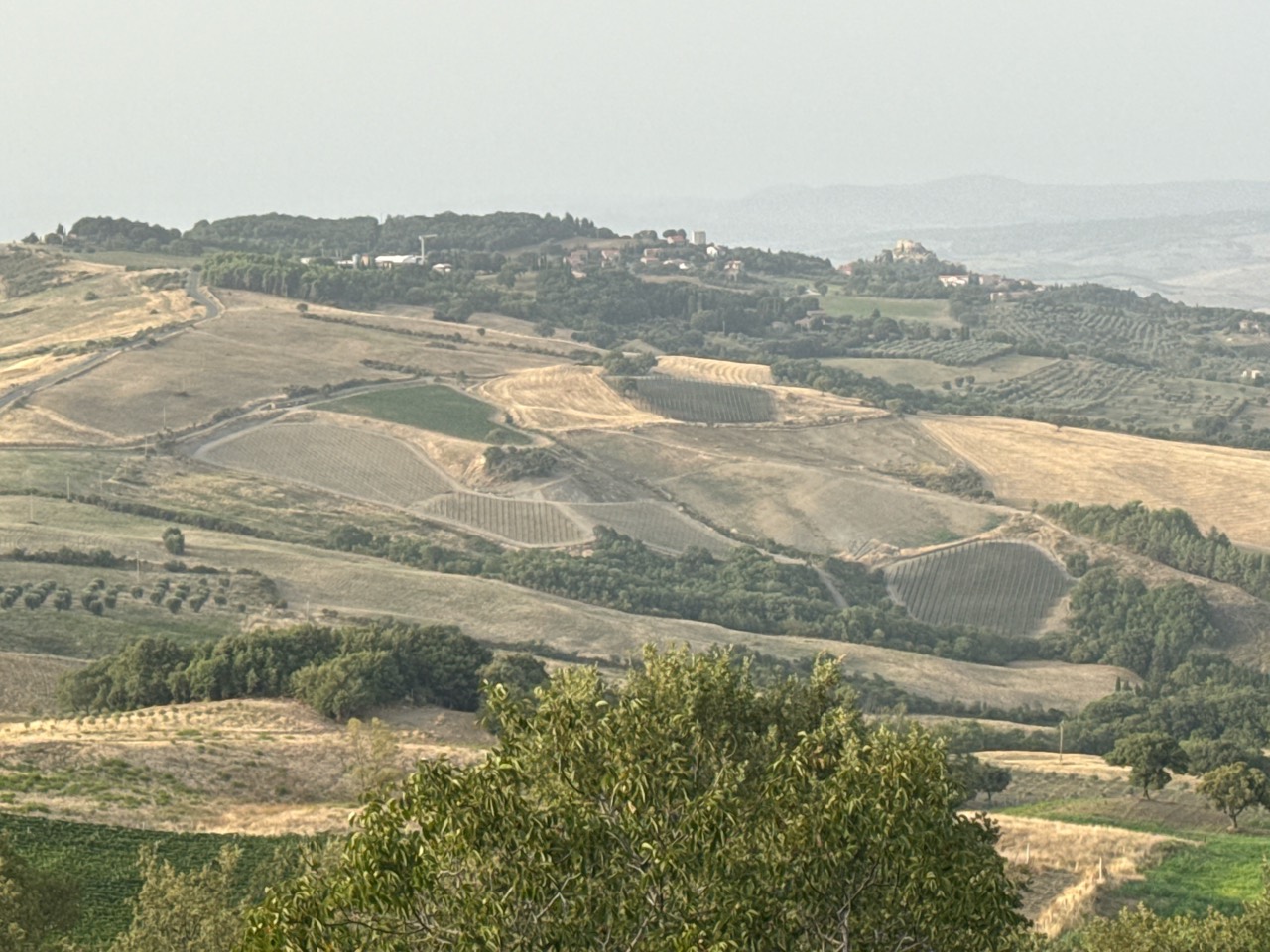
The farmland of Terre di Giorgio.
Our corner of Tuscany, at your own pace
Six places to choose from and enjoy
Discovering the Val d’Orcia means leaving room for the unexpected. Choose the places that catch your interest, allow yourself another stop and let each day find its own rhythm. These ideas are designed to accompany a stay in the countryside around Castiglione d’Orcia.
Getting to know the area
From the two fortresses to the woods of Monte Amiata
Water, stone and countryside each tell a different story. Follow the trail of medieval villages, seek out the landscapes around the springs, or combine time spent discovering local art with a walk in nature.

01 · WATER AND WOODLAND
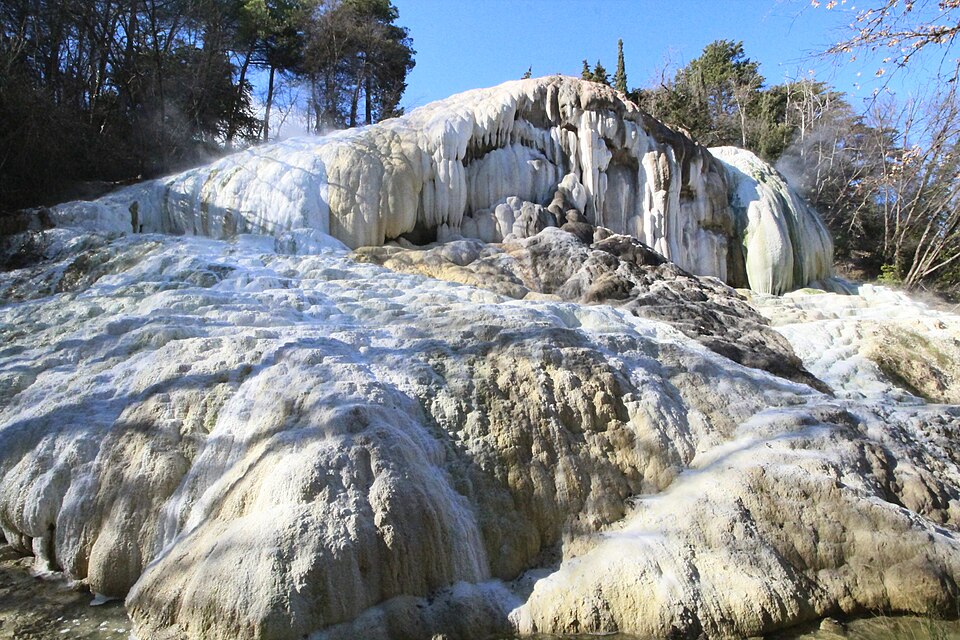
Bagni San Filippo and the Balena Bianca
Here the landscape changes: rolling hills give way to woodland, thermal waters and limestone formations. In the Fosso Bianco area, the most recognisable sight is the Balena Bianca, a great formation shaped over time by mineral deposits from the water.
Pause to take in the contrast between pale stone and green foliage, then explore the little village and the church of San Filippo too. There is more to this place than a photo opportunity.
The Balena Bianca is fragile: do not touch it, climb on it or bathe nearby. Follow official notices and signs on site for access and permitted areas.

02 · THE VILLAGE AND ITS HISTORY
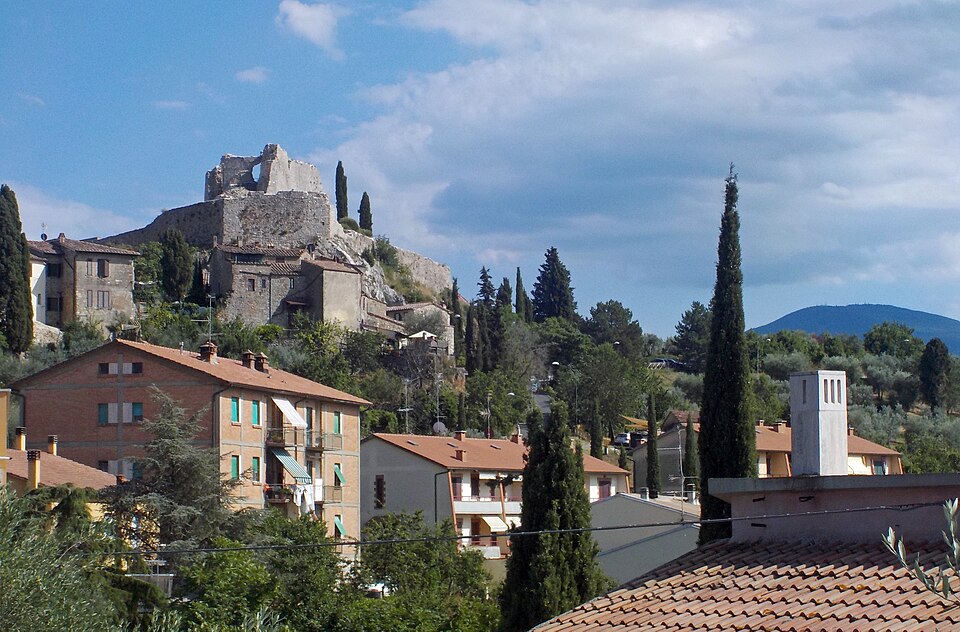
Castiglione d’Orcia and the Rocca Aldobrandesca
Begin in Piazza Vecchietta, overlooked by the town hall and medieval buildings. Other stops in the historic centre include the churches of Santa Maria Maddalena and Santi Stefano e Degna.
The Rocca Aldobrandesca tells the story of Castiglione’s strategic role: from here, the routes between Monte Amiata and the valley could be watched over. Its remains help you picture a landscape once crossed by traders and travellers, and shaped by rivalries.
It is a rewarding stop for anyone who likes to discover history through the shape of the landscape and the details of the stonework.

03 · A VIEW OVER THE VALLEY
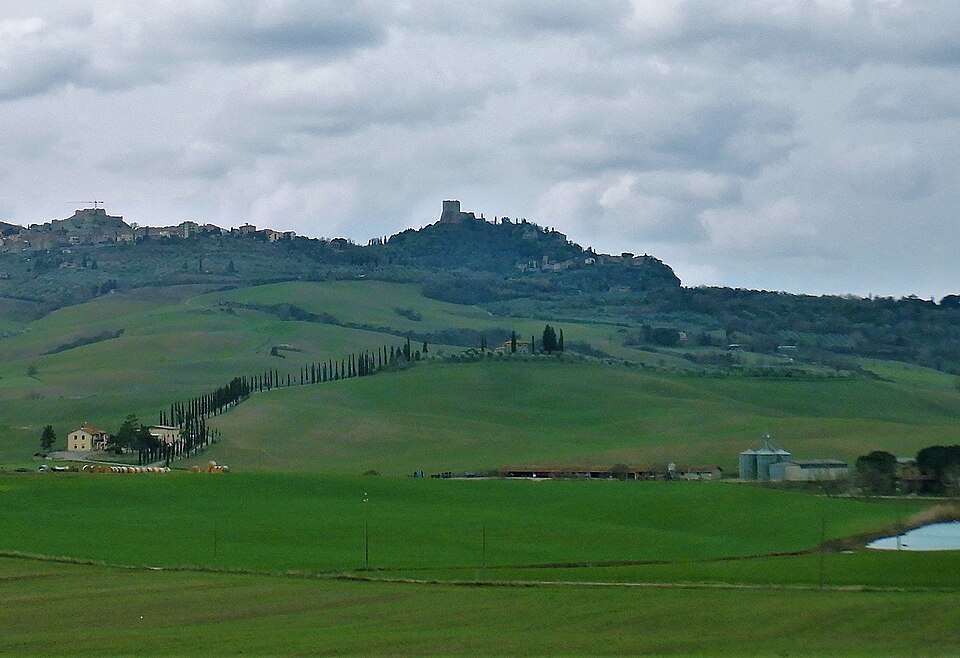
Rocca d’Orcia and the Rocca di Tentennano
The second fortress is Tentennano, which rises above the village of Rocca d’Orcia on a limestone spur. Its position speaks for itself: the fortress watched over the valley and the routes of the Via Francigena.
Look beyond the tower. In the village below, Piazza della Cisterna retains its well and the houses arranged around it. Take your time here, letting their proportions and details tell the story.
Two fortresses, then, with two different perspectives: the Rocca Aldobrandesca in Castiglione d’Orcia and Tentennano above Rocca d’Orcia.

04 · ART AND GARDENS
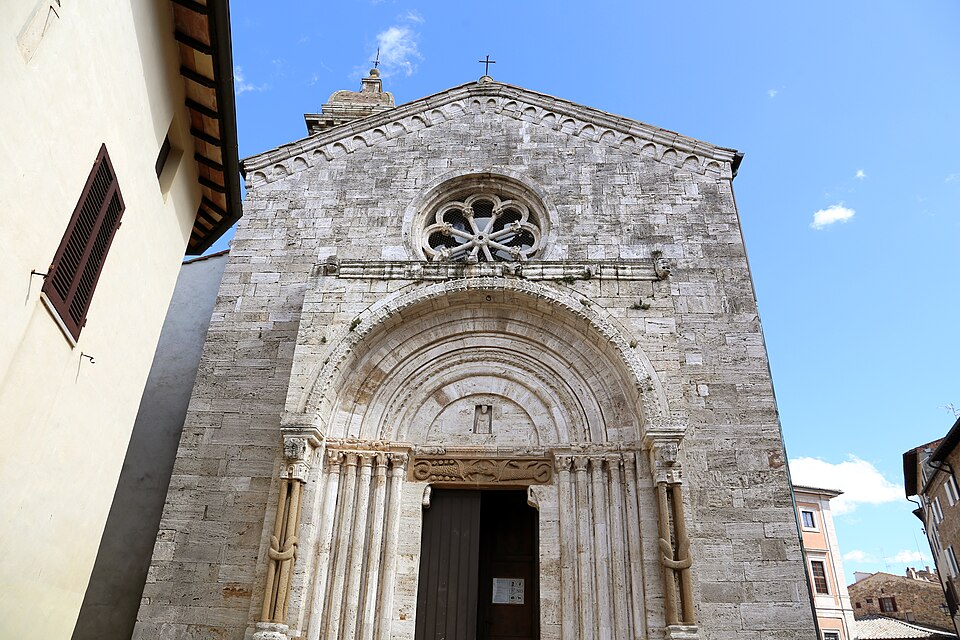
San Quirico d’Orcia, from the Collegiata to the Horti Leonini
Begin at the Collegiata dei Santi Quirico e Giulitta, whose portals reveal different chapters in the building’s history. Inside, a highlight is Antonio Barili’s inlaid wooden choir stalls, originally made for Siena Cathedral and later brought here.
The pace changes in the Horti Leonini. This formal Italian garden brings together geometric flowerbeds and hedges with a more natural area. Noticing the contrasts is a lovely way to explore it.
You can combine San Quirico with Bagno Vignoni, letting your interests decide how long you linger.

05 · A SQUARE FILLED WITH WATER
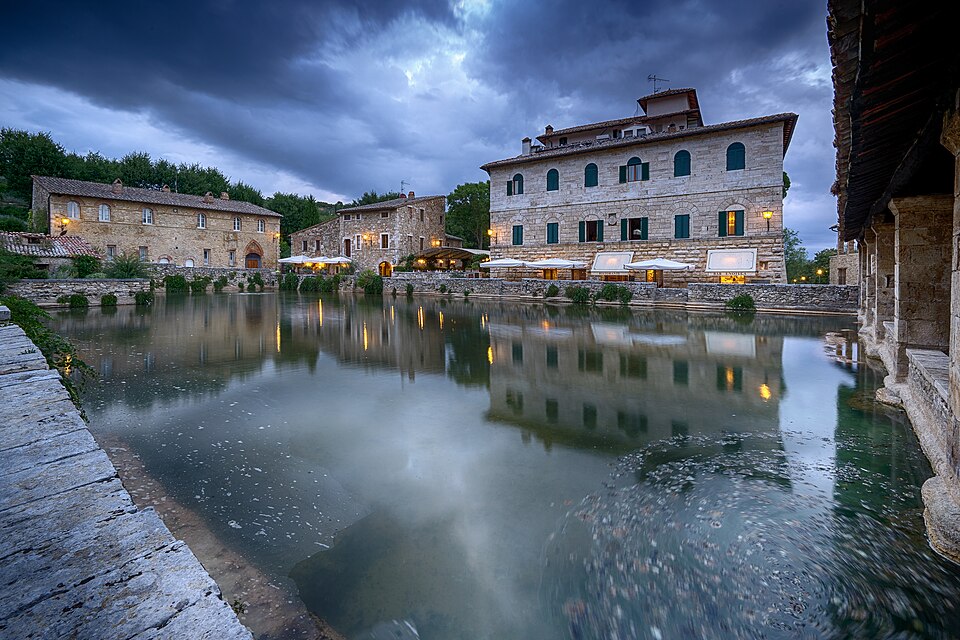
Bagno Vignoni and the Parco dei Mulini
A large thermal pool lies at the heart of the village. This square of water is the place to begin exploring the relationship between the buildings and the springs, and to rediscover the pleasure of an unhurried pause.
The Parco dei Mulini adds another perspective: here, water also tells a story of work. The underground mills and channels show how this resource was once harnessed to grind grain.
Bathing is not permitted in the historic pool. For a thermal bathing experience, enquire at the dedicated facilities.

06 · THE WATERS OF MONTE AMIATA
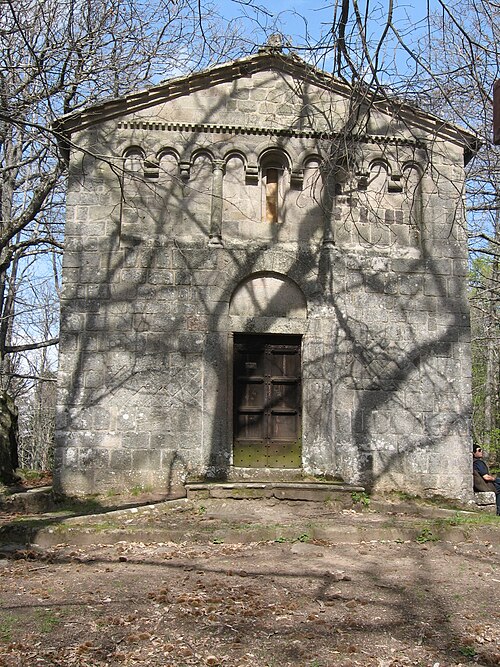
Vivo d’Orcia and the Ermicciolo
Choose Vivo d’Orcia to discover another side of the area. In the woods on the slopes of Monte Amiata lies the Ermicciolo spring, the source of the River Vivo. The little church of the Ermicciolo also appears among the beech trees.
The sound of water and the woodland setting offer a different experience from the valley’s open views. It is an idea for anyone who enjoys balancing village visits with a day in nature, taking the time to notice what they find along the way.
To explore the springs more closely, ask whether any guided visits are scheduled.
A day of art and archaeology
From Castiglione’s paintings to the Etruscans
A painting, a face shaped in clay, a story spanning centuries. If you enjoy getting to know a place through its museums, stay in Castiglione d’Orcia or set aside a day for Sarteano or Chiusi, towards the Valdichiana. Choose the visit that draws you in: there is no need to fit everything into one day.
Castiglione d’Orcia and the Sala d’Arte San Giovanni
In the old oratory of San Giovanni, the art collection brings together works from churches in Castiglione and Rocca d’Orcia, including paintings by Simone Martini and his workshop, Vecchietta and Giovanni di Paolo. Make it part of your stroll through the village.
Sarteano and the Quadriga Infernale
The Civic Archaeological Museum houses finds from the area’s necropolises and a life-size reconstruction of the Tomb of the Quadriga Infernale. It is a fascinating glimpse into Etruscan beliefs. The original tomb is at Pianacce: ask the museum how to arrange a visit, as access is separate from admission to the exhibition rooms.
Chiusi and the National Etruscan Museum
Canopic urns and bucchero pottery bring Etruscan history to life; the museum also holds Roman and Lombard finds. Take time to notice the details. The tombs associated with the museum are temporarily closed: check the official page for news of any reopening.
Before setting off, check opening arrangements and enter your destination in your navigation app. On your return, there is another way to get to know these places: a meal or a few days in the countryside at Terre di Giorgio.
One more day to explore
A day in Siena from the Val d’Orcia
If you are staying a little longer, set aside a day for Siena. Spend the morning exploring its squares and museums, then wander through the streets of the contrade, the city’s historic neighbourhoods. Choose one or two visits that really interest you, leaving time for unexpected discoveries before returning to the peace of our countryside.
Piazza del Campo and the Civic Museum
Begin in Piazza del Campo and notice how the streets open onto its shell-shaped square. Inside the Palazzo Pubblico, the Civic Museum houses Ambrogio Lorenzetti’s Good Government fresco cycle. City and countryside meet in these paintings, telling a story that still resonates with visitors to this part of Tuscany.
Choose your route through the cathedral complex
Allow time for the cathedral and the Piccolomini Library. The complex also includes the Museo dell’Opera and the panoramic Facciatone; the Porta del Cielo route takes you into the cathedral’s upper spaces. Routes and tickets differ, and the marble floor is uncovered only at certain times of year. Use the official website to choose the places you would like to see.
The Palio, a celebration shared by a whole city
The two regular races take place on 2 July and 16 August. Ten of Siena’s seventeen contrade compete in each Palio, but the celebration belongs to the whole city. The four-day programme includes the allocation of horses and six trial runs, followed by blessings and the historical procession on race day. To understand the Palio, take in the colours, rituals and everyday life of the contrade too.
Admission to the centre of Piazza del Campo for the trials and the Palio is free, provided you enter before the access points close. Grandstand seats, windows and balconies are paid for separately, with no central ticket office. Check the municipality’s current programme and access information before making plans: a Palio day calls for a different pace from an ordinary sightseeing visit.
For directions, set your navigation app to a car park rather than the cathedral, which cannot be reached directly by car. The Opera recommends the Duomo and Il Campo car parks. Continue on foot, and if you have accessibility needs, check the route and entrance arrangements for each monument.
Back at Terre di Giorgio, the quiet of the hills awaits. Make the estate your base for days of art, visits to the villages of the Val d’Orcia and the flavours of our kitchen.
Choose your stay at Terre di Giorgio
Explore the area’s festivals and traditions too
Siena and the Palio: information checked on 17 September 2026. The official websites linked here provide current programmes and opening details.
The pleasure of coming back
The countryside is more than a backdrop
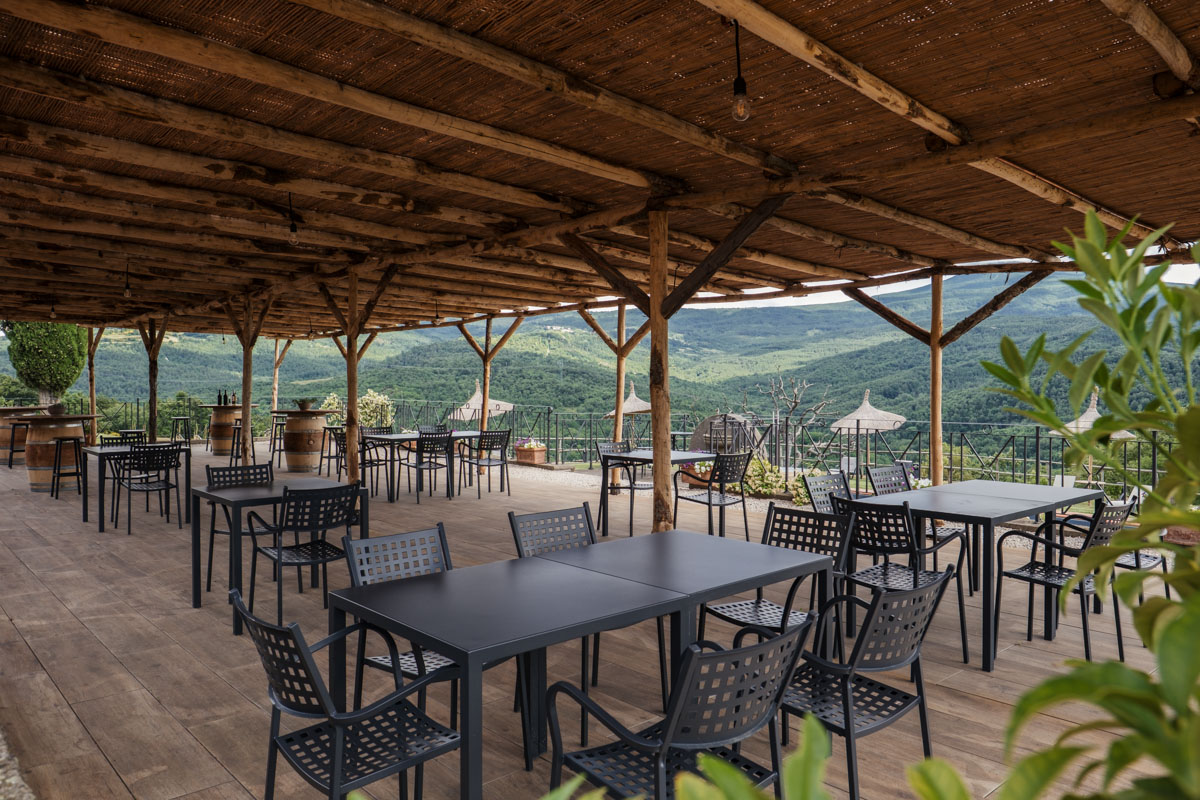
A stay in the Val d’Orcia can also be a chance to discover the farming, produce and people that belong to this landscape. At Terre di Giorgio, the hospitality of Villa La Palazzetta comes together with the organic farm and the restaurant’s cooking.
After a day among villages and springs, you can rediscover the area at the table, or ask which experiences are available to get to know the estate more closely. The season, the work taking place and the time you would like to spend in the countryside all help shape the possibilities.
Discover our farm restaurant and tell us how you imagine your stay.
Ask, discover, enjoy
Experiences shaped by the season
Ask us about the programme and availability during your stay. We will help you discover which experiences can be arranged.
- 01
A vineyard walk and picnic
A chance to explore the vineyards and take time to enjoy the scenery. Ask how the experience works and whether it is available on your dates.
- 02
Truffles and tastings
From truffle hunting to the estate’s wines, tell us what interests you. The programme and arrangements depend on the season and the experience you choose.
- 03
Harvest lunch
On Saturday 17 October 2026 at 1 pm, join us at the table with the people who care for our vineyards and make our wines. A chance to discover our philosophy and our wines over lunch, with a limited number of guest places: €50 per person.
Sources to explore further and plan your visit
- Visit Tuscany — Bagni San Filippo and protecting the Balena Bianca
- Visit Tuscany — Castiglione d’Orcia
- Municipality of Castiglione d’Orcia — Rocca Aldobrandesca
- Visit Tuscany — Rocca di Tentennano
- Municipality of Castiglione d’Orcia — Rocca d’Orcia and the tower
- Visit Tuscany — Collegiata dei Santi Quirico e Giulitta
- Visit Tuscany — Horti Leonini
- Visit Tuscany — Bagno Vignoni and the Parco dei Mulini
- Visit Tuscany — The springs of Monte Amiata and the Ermicciolo
- Terre di Giorgio — Farm stays and experiences
Guide published on 3 September 2026. Art and archaeology section updated on 16 September 2026.