









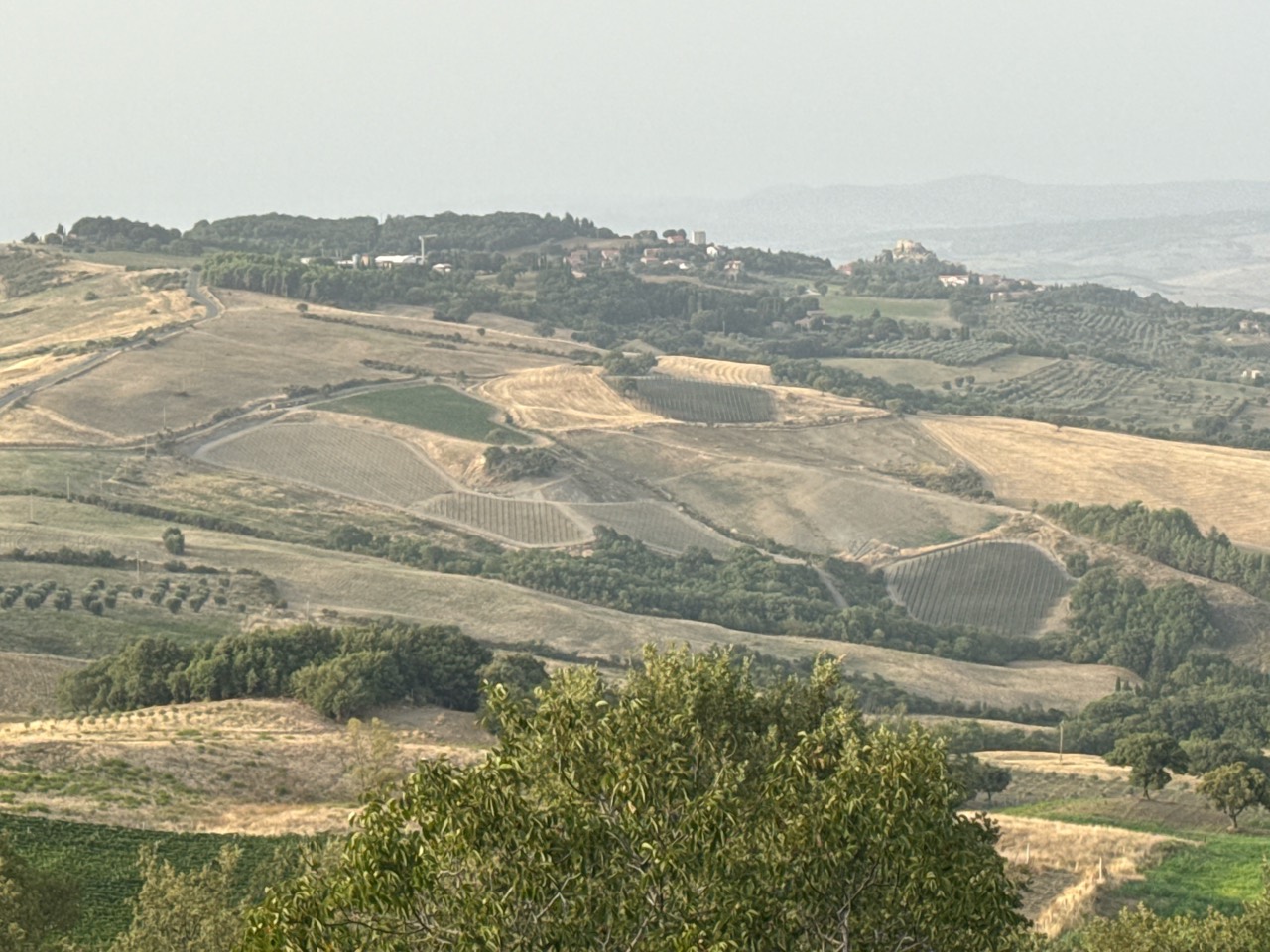
Our vineyards in Val d'Orcia
Historic vineyards, clonal research and new plantings: each parcel tells part of our viticultural project.
Every vineyard has its own identity
The vineyards of Terre di Giorgio are not simply an undifferentiated expanse of vine rows. Each parcel is shaped by the meeting of grape variety, soil, exposure, vine spacing and precise agronomic choices. From the Sangiovese of Vigna Diana and Vigna delle Querce to the clonal library of Vigna 78, and on to the new Cabernet Franc and Vermentino plantings at Casa nel Bosco and the Fosso, we tell the story of the places where our wines take shape in Val d'Orcia.
We farm organically and observe each parcel over time. The selection carried out in August allows us to allocate the grapes according to the growing season and the winemaking project, while respecting the character of each vineyard.
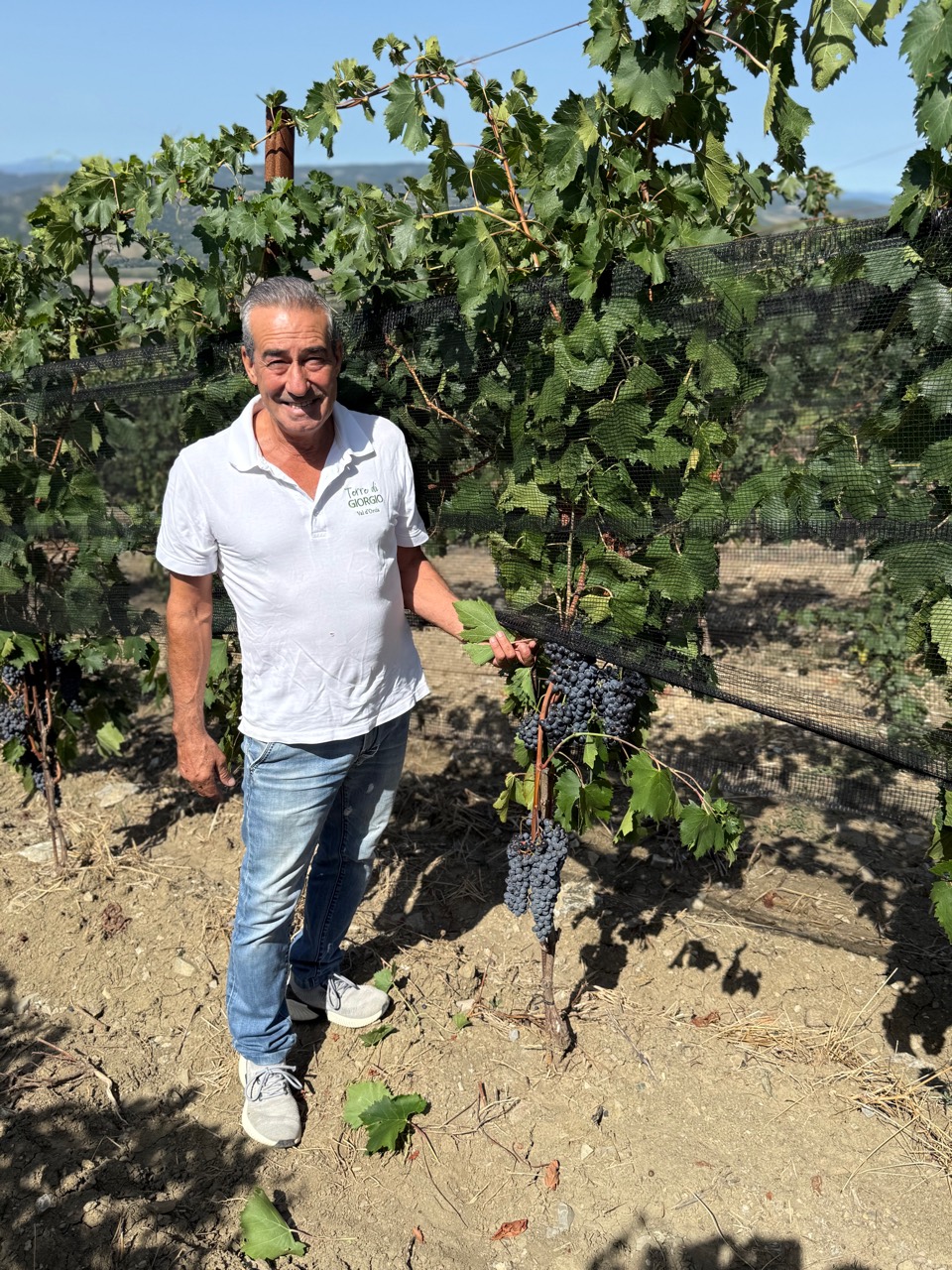
Gianfranco Moi, our estate manager
Gianfranco Moi oversees the day-to-day work in Terre di Giorgio's vineyards. His experience, knowledge of each parcel and constant presence turn our agronomic choices into careful work, row by row.
He is the link between our agricultural project and the daily life of the vineyards.
The historic vineyards
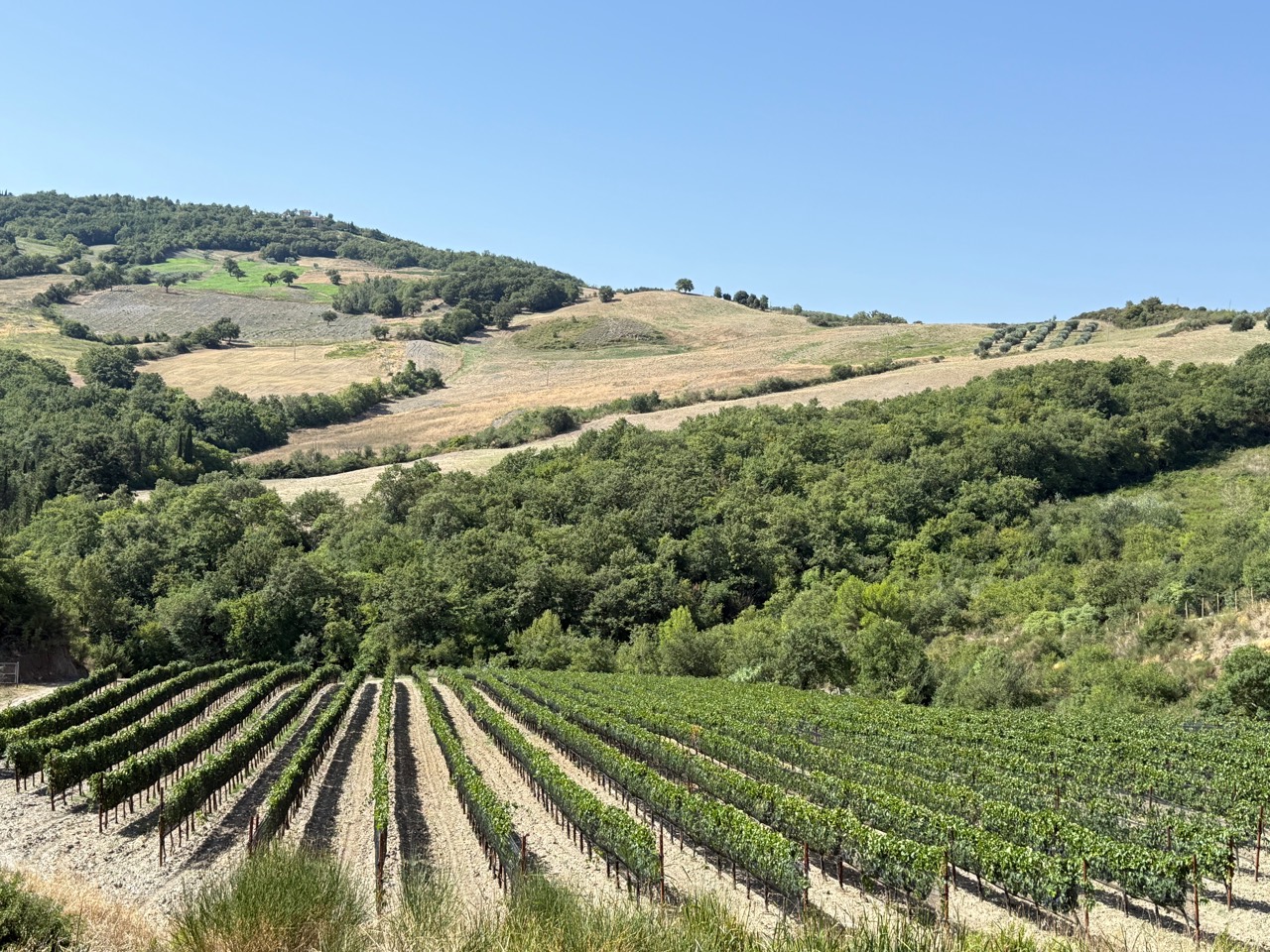
Vigna Diana
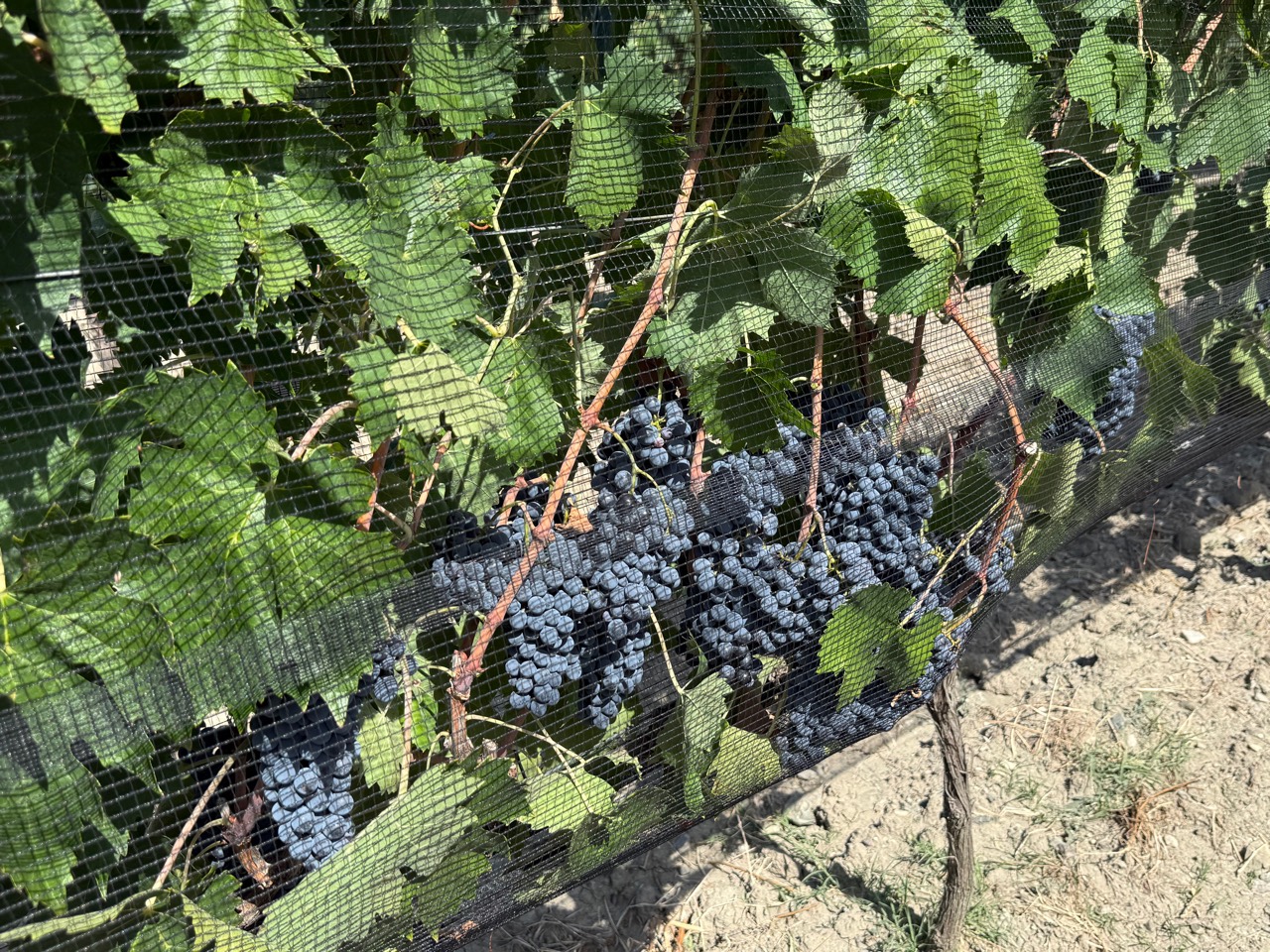
Vigna Diana is a historic Sangiovese parcel. The vines are trained on a bilateral spur-pruned cordon system, with generous spacing that supports balanced vegetative growth and makes the identity of the site clearly discernible.
Diana 2026: the first step in the vineyard
Area: 9,200 m² · Grape variety: 100% Sangiovese · Clone: VCR5 · Training system: bilateral spur-pruned cordon · Vine spacing: 2.90 × 1.60 m · 26 rows · Vines recorded in the 2023 technical survey: 3,691
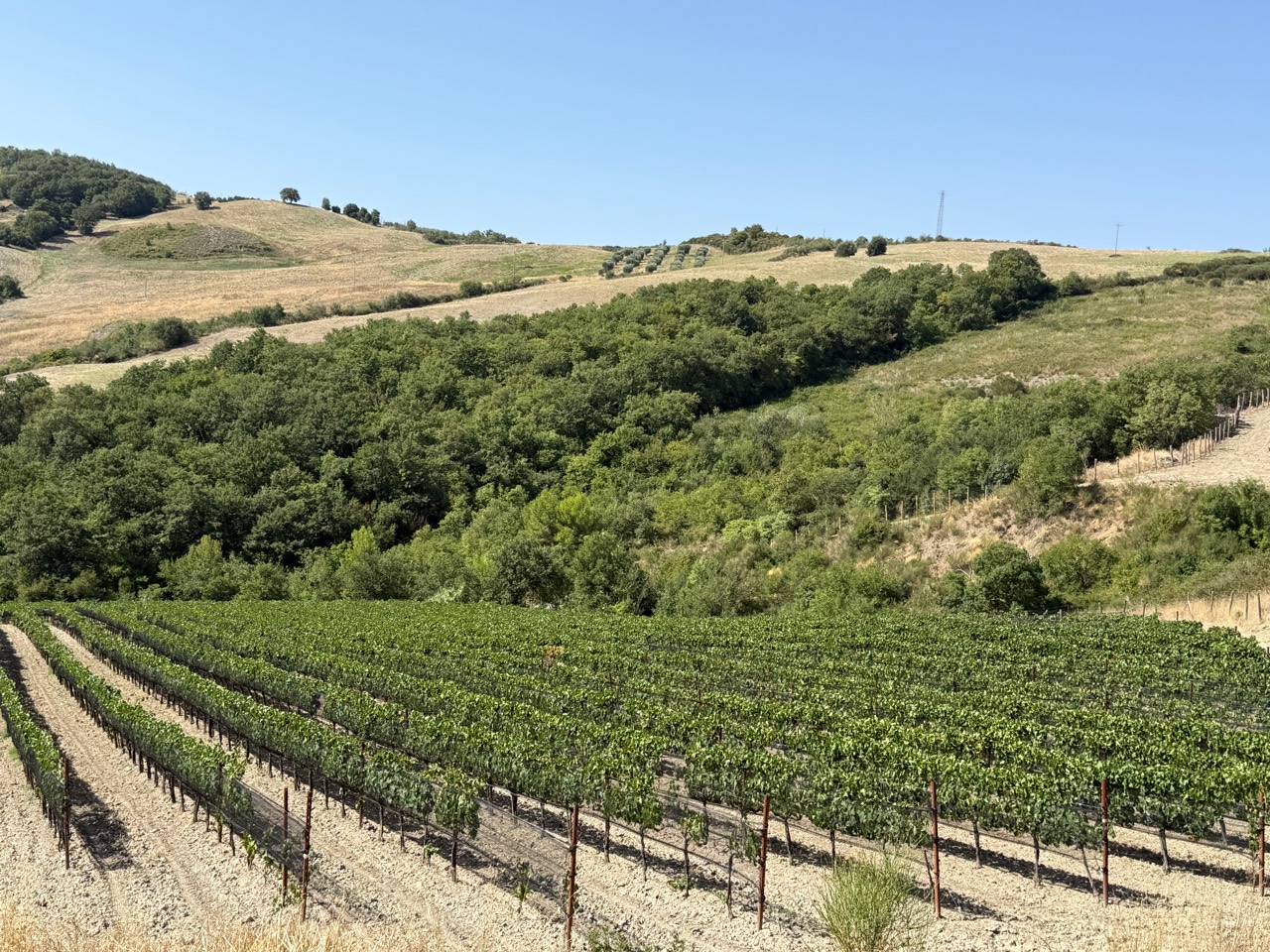
Vigna delle Querce
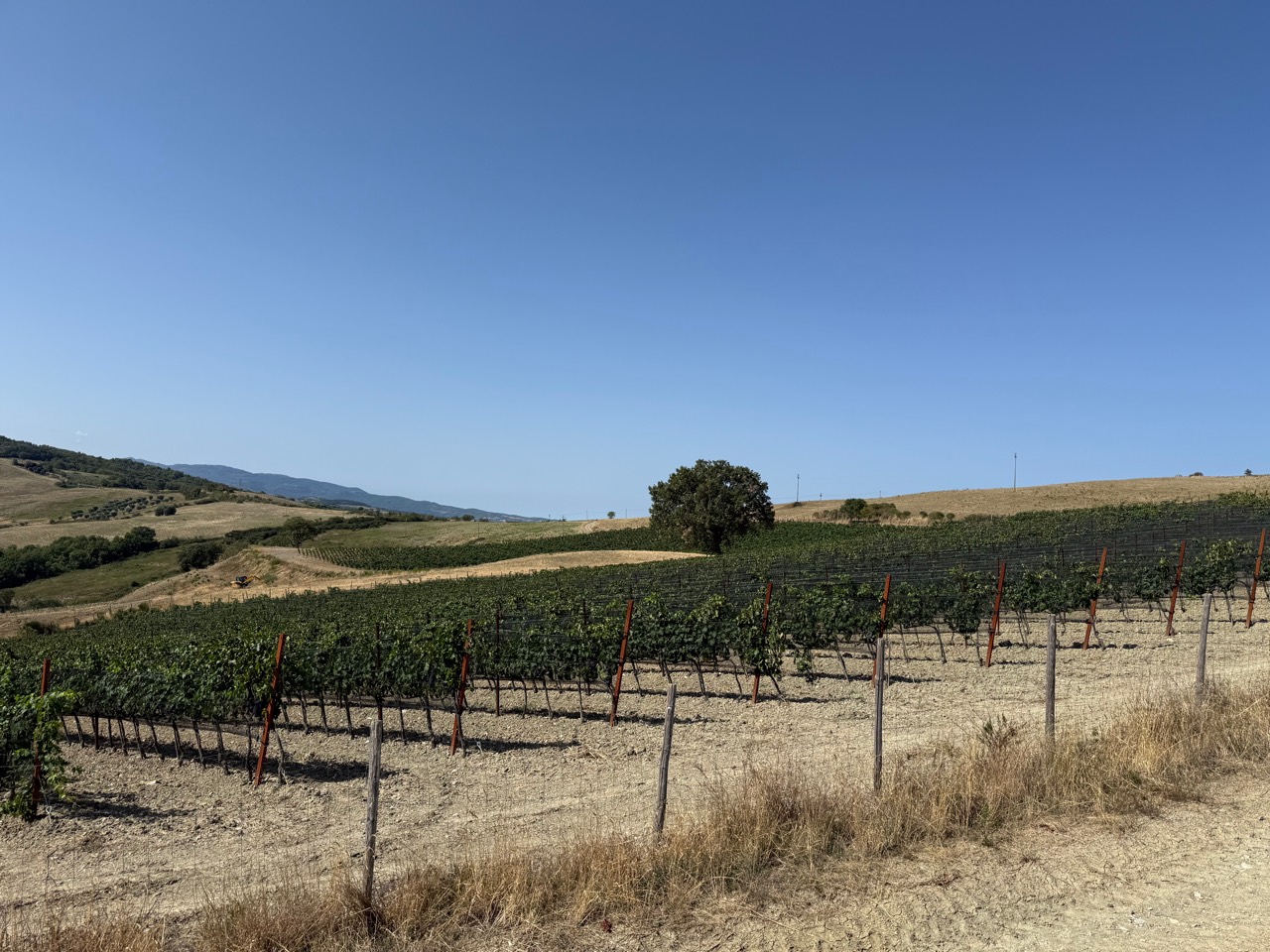
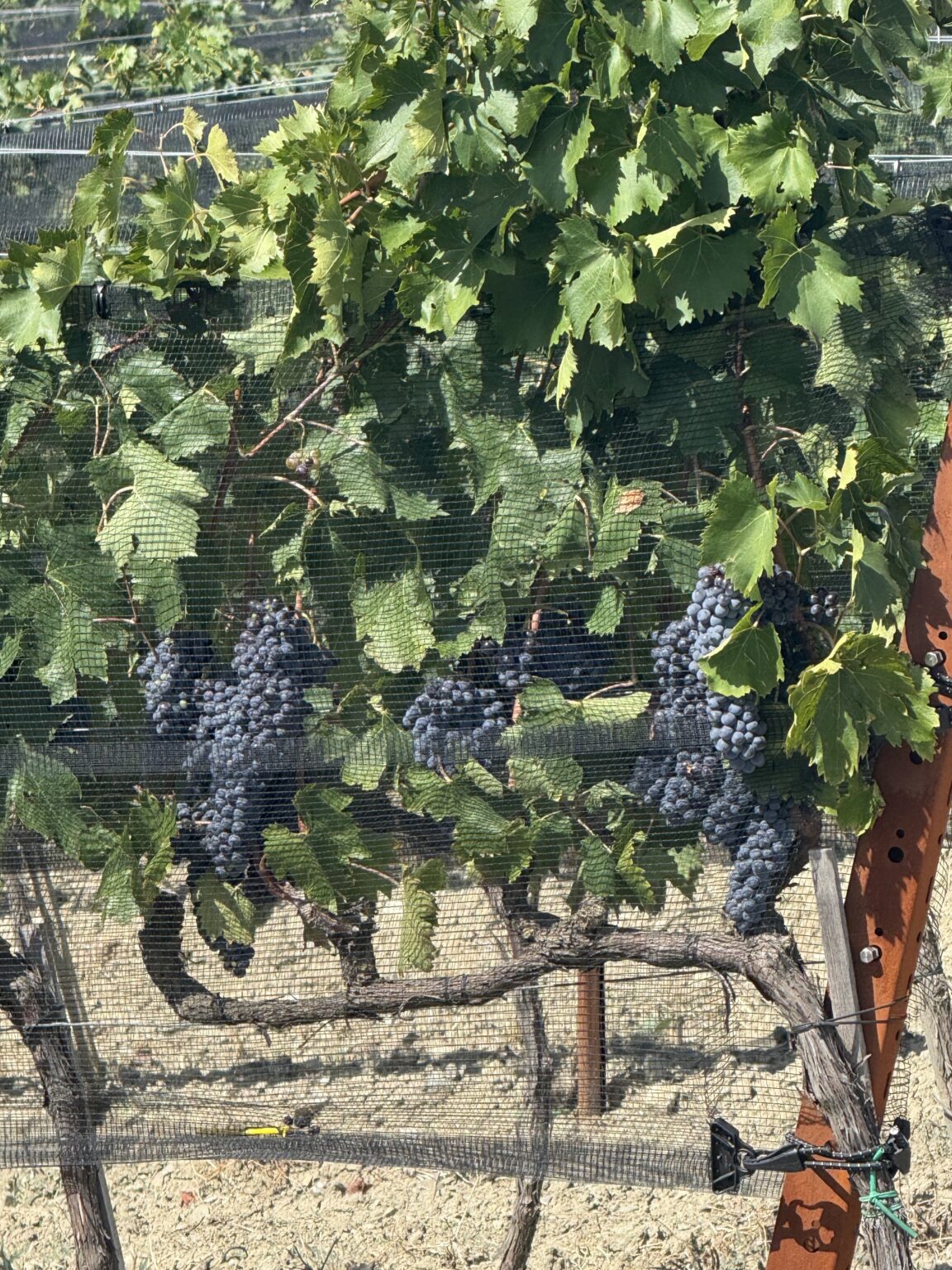
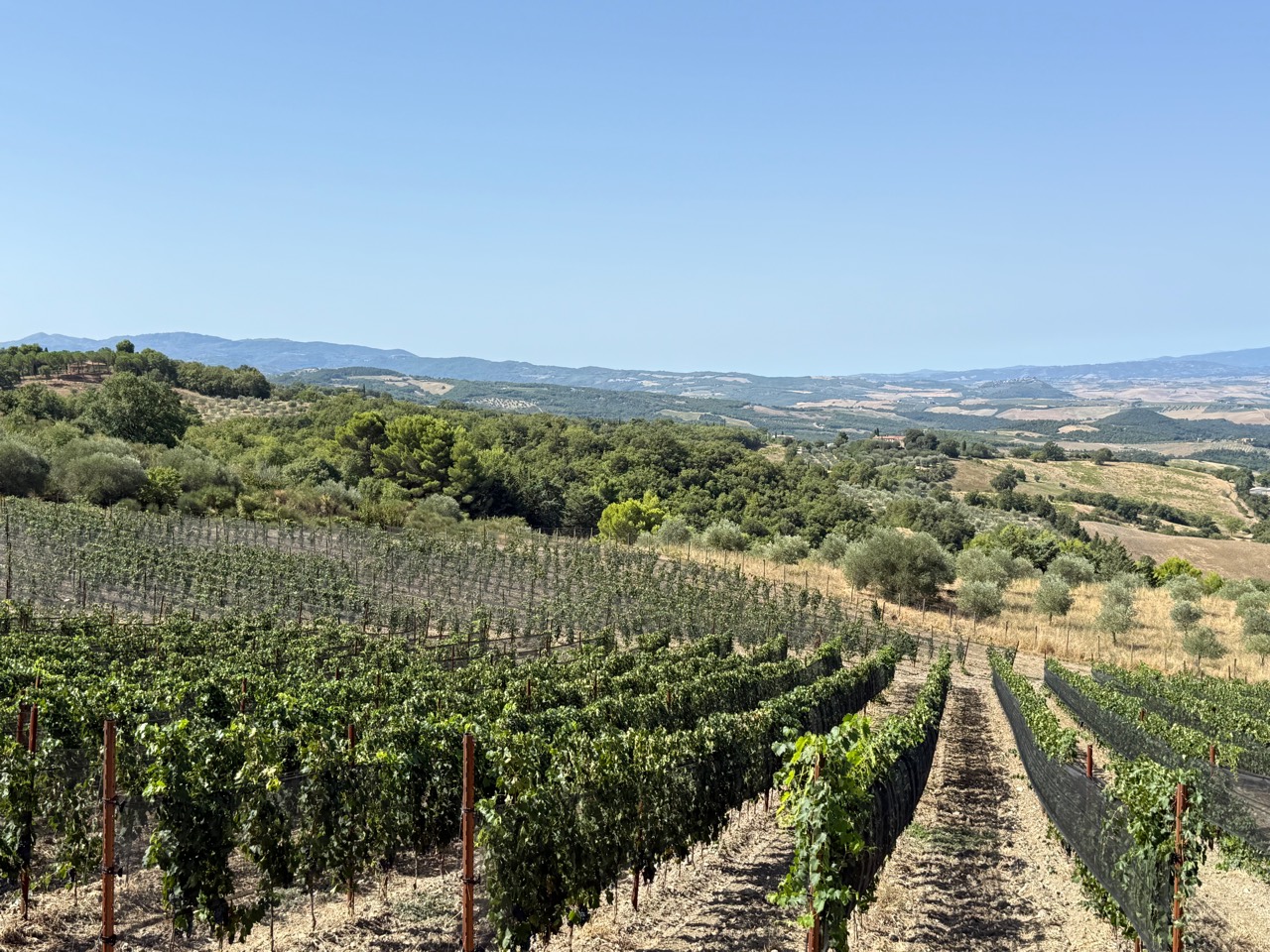
Vigna delle Querce is a historic Sangiovese parcel set within the estate's landscape of woods and oak trees. Its spur-pruned cordon system follows the contours of the hillside and supports meticulous work in each row.
Area: 8,600 m² · Grape variety: 100% Sangiovese · Training system: spur-pruned cordon · Vine spacing: 2.50 × 0.80 m · 25 rows · Vines recorded in the 2026 technical survey: 2,686
Vigna 78: a living library of Sangiovese clones
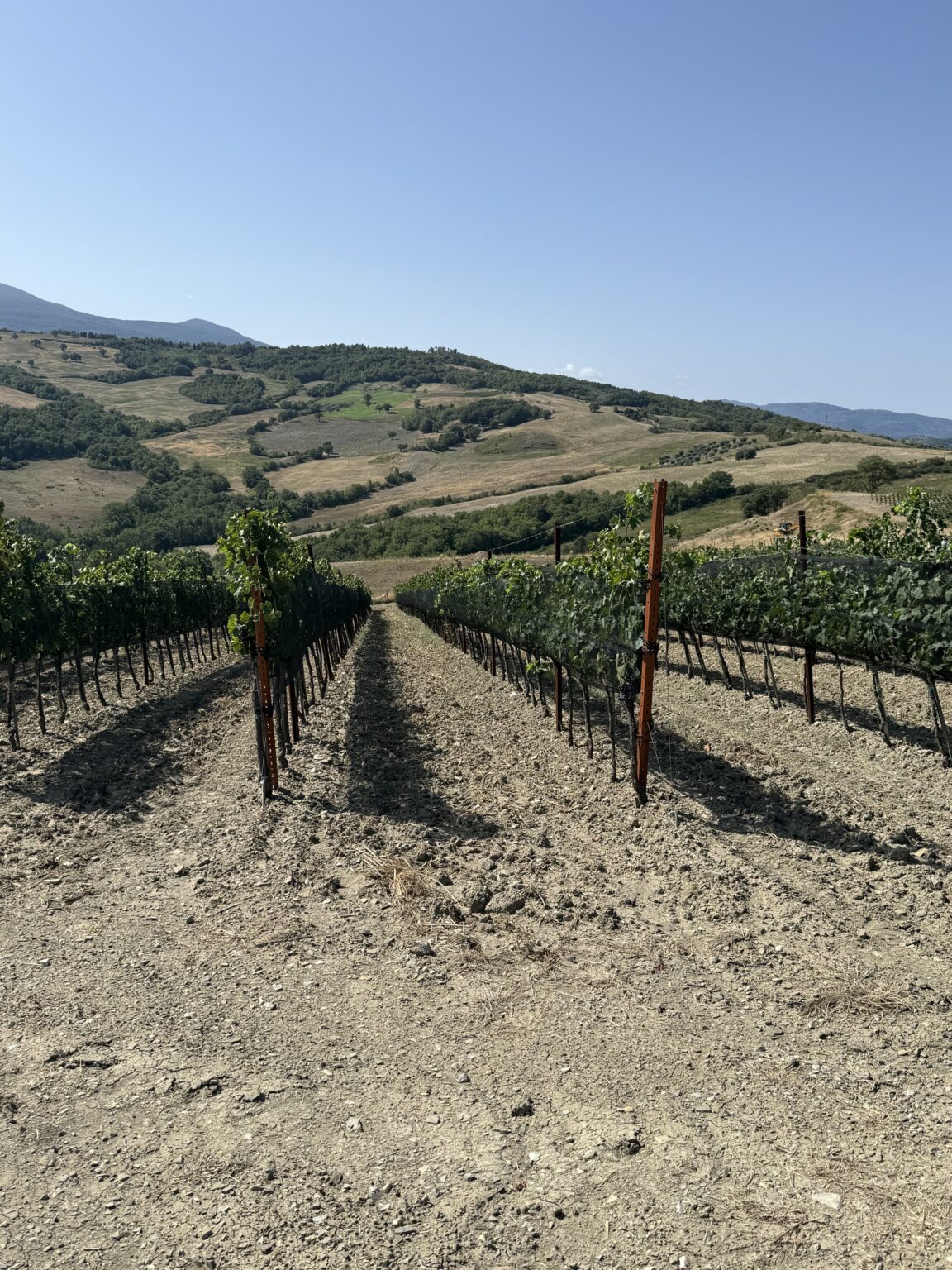
Vigna 78 is Terre di Giorgio's project devoted to the clonal diversity of Sangiovese. Three micro-vineyards allow us to observe and compare different expressions of the same variety on the predominantly clay-rich and moderately calcareous soils documented in the agronomic report.
The planting plans compare the I-AGRI 45, SS-F9-A5-48 and FEDIT20CH clones and the 1103P and 110R rootstocks. The current training system is Guyot.
Planned area: 16,088.26 m² · Micro-vineyard A: 4,098.22 m² · Micro-vineyard B: 8,116.83 m² · Micro-vineyard C: 3,873.21 m² · Grape variety: 100% Sangiovese · 126 rows in the planting plan · 7,474 vines in the planting plan · Clones: I-AGRI 45, SS-F9-A5-48 and FEDIT20CH · Rootstocks: 1103P and 110R · Current training system: Guyot
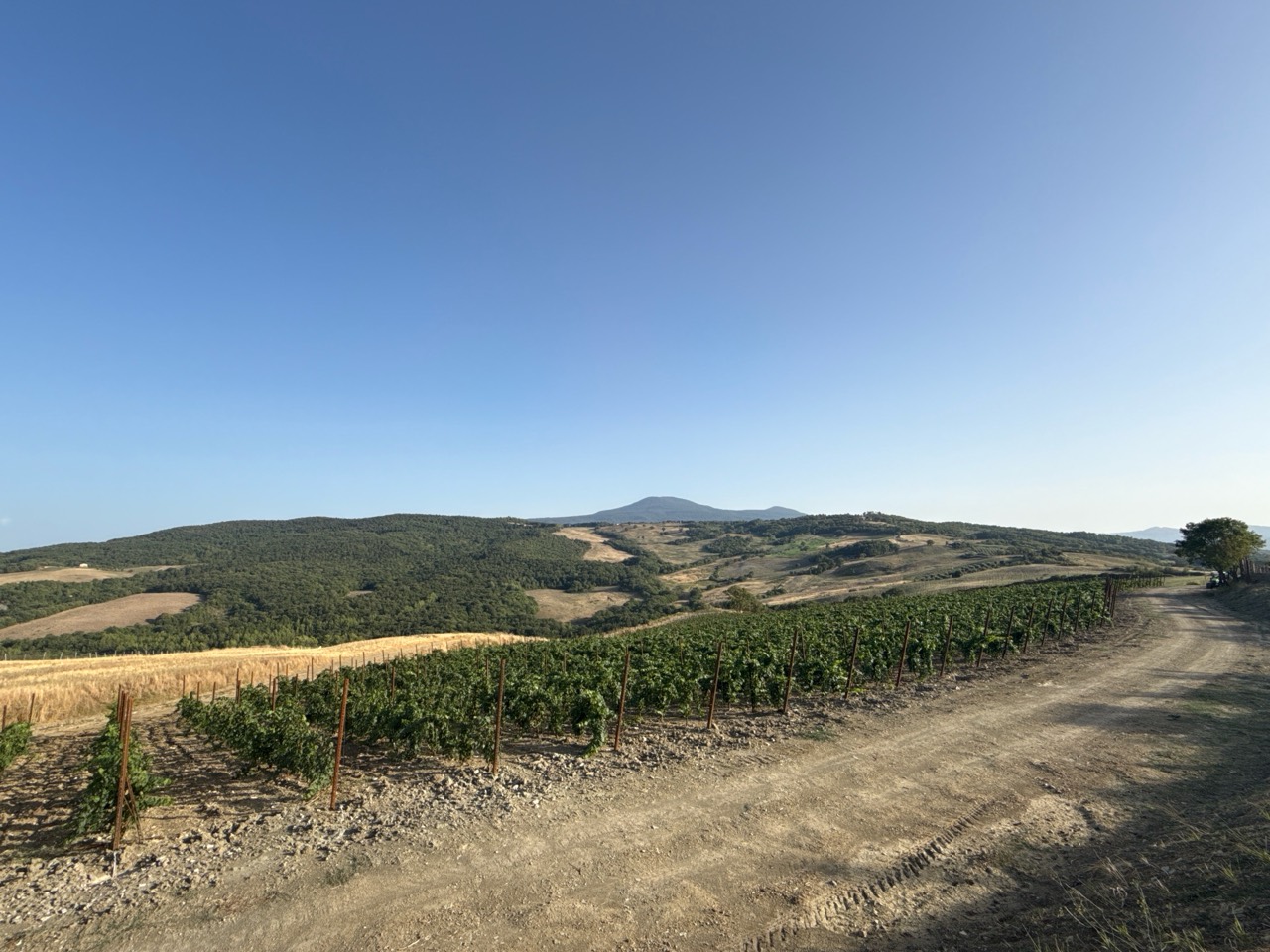
Vigna Casa nel Bosco Est
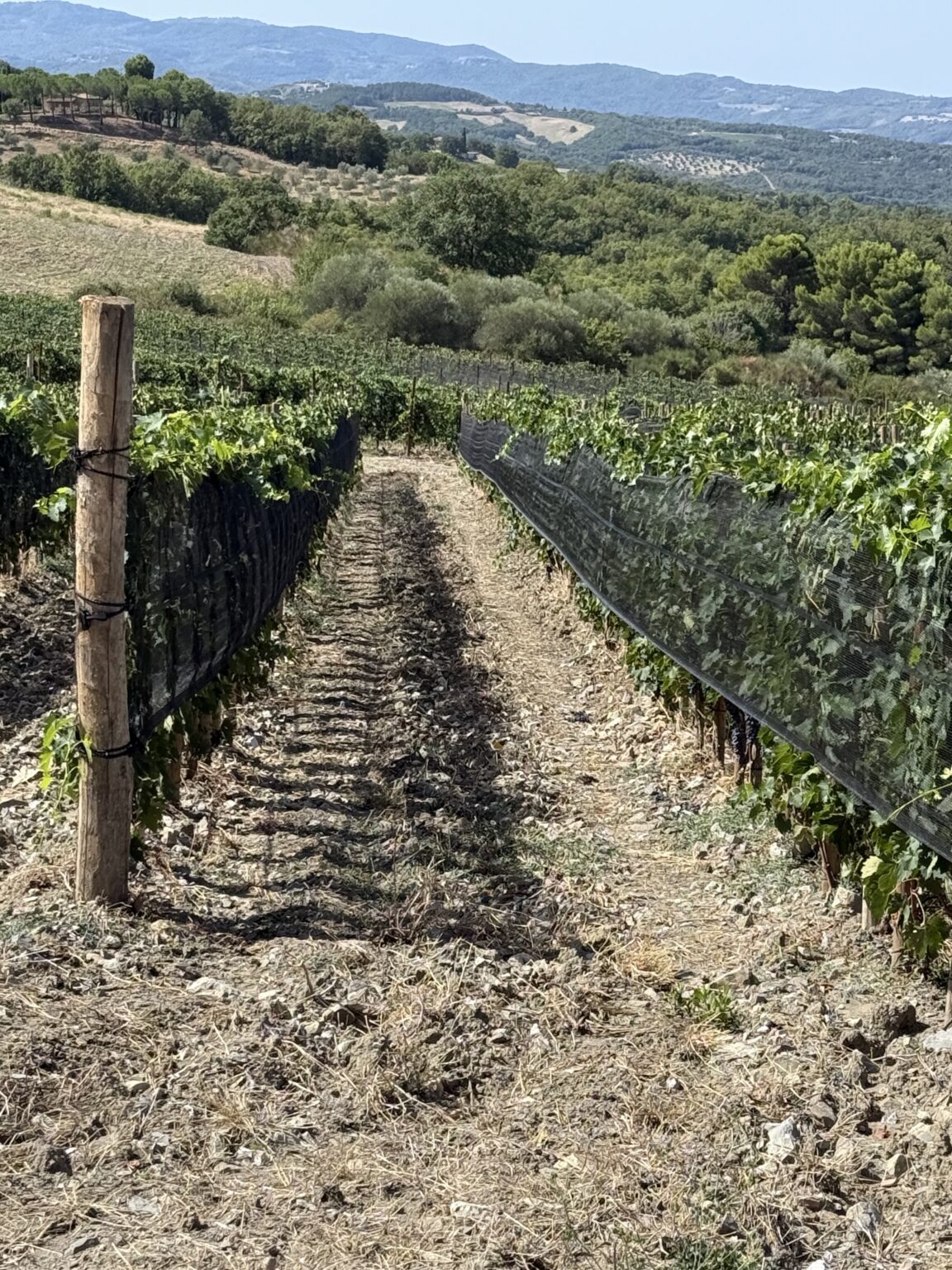
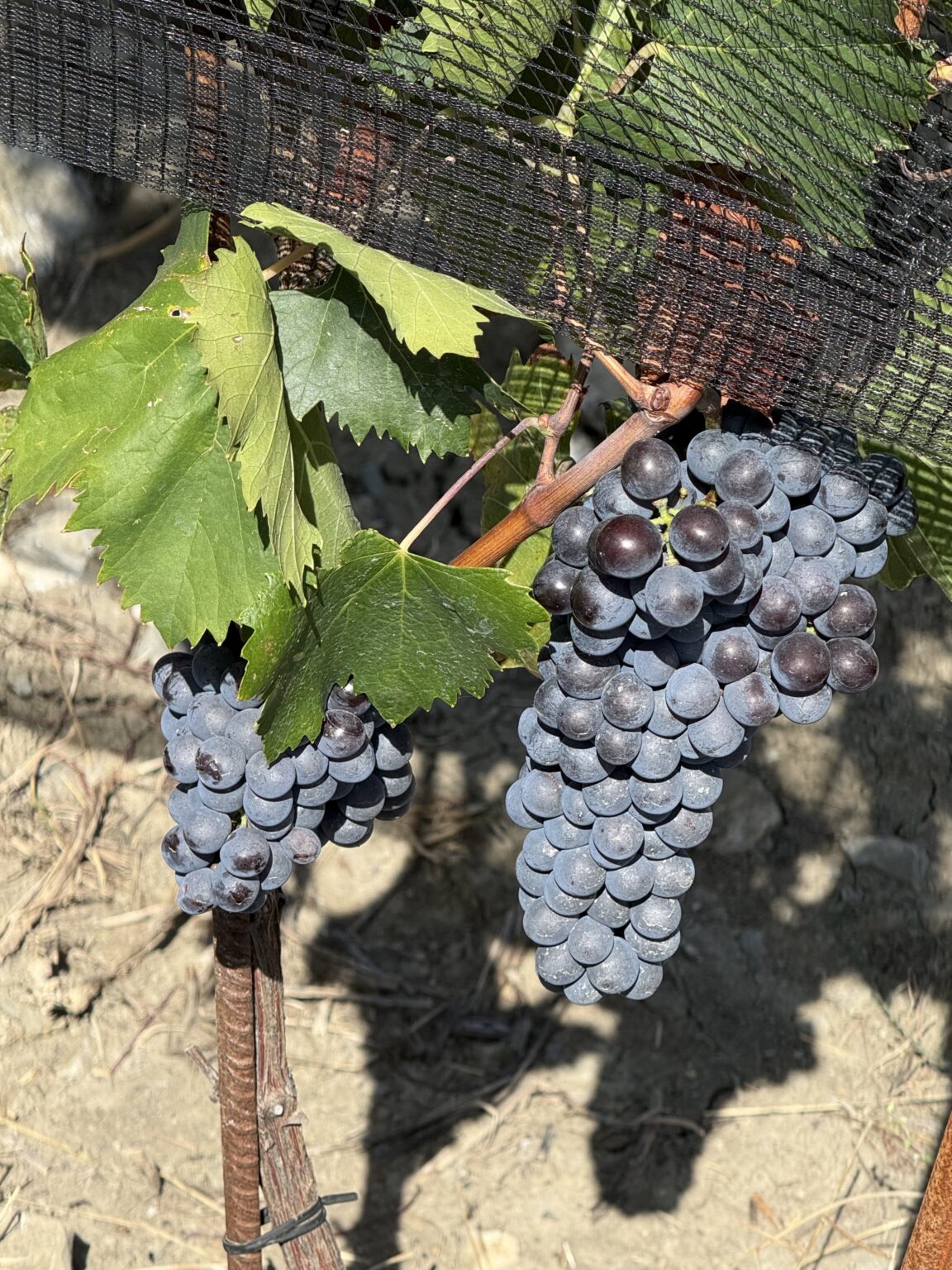
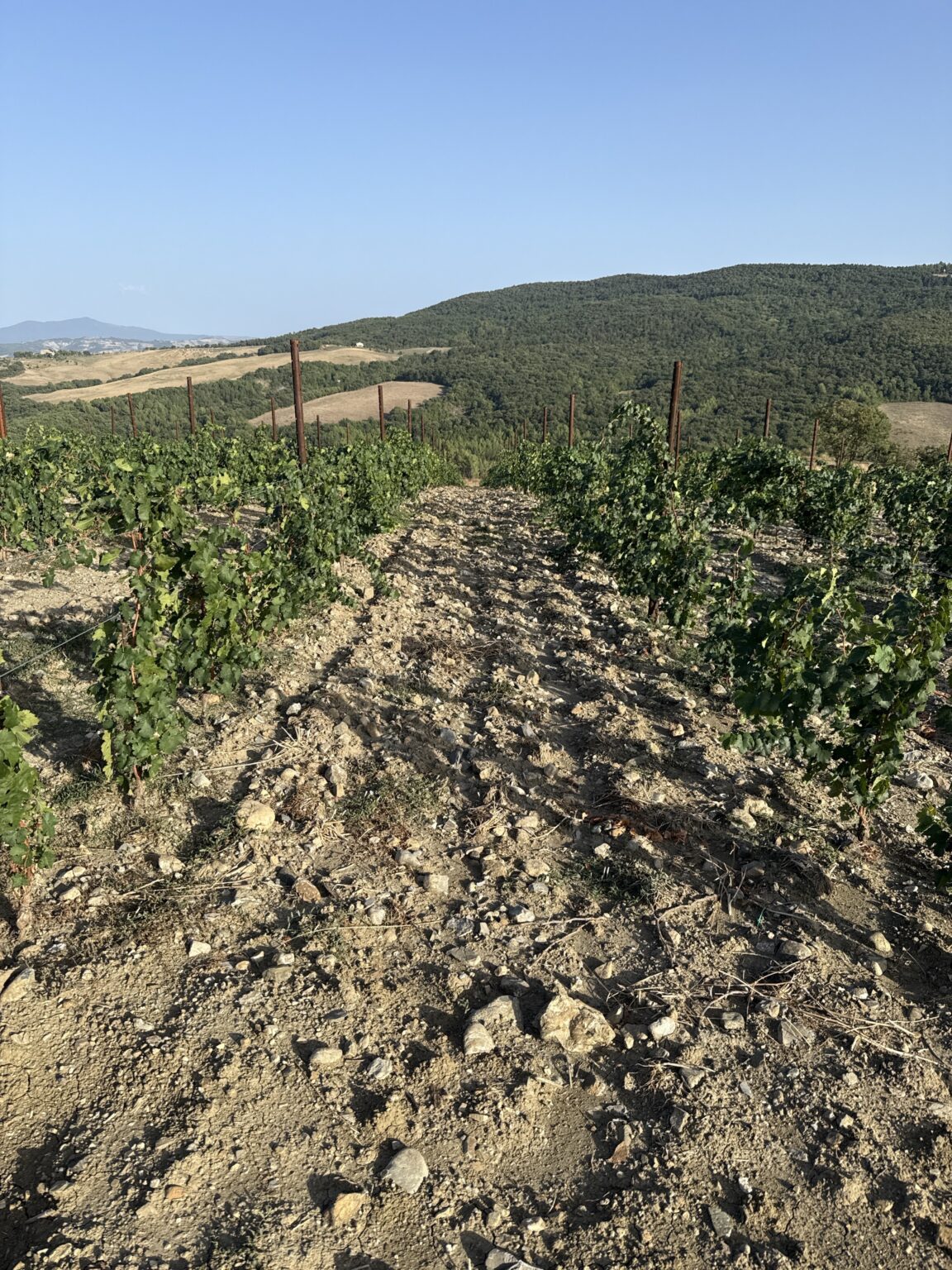
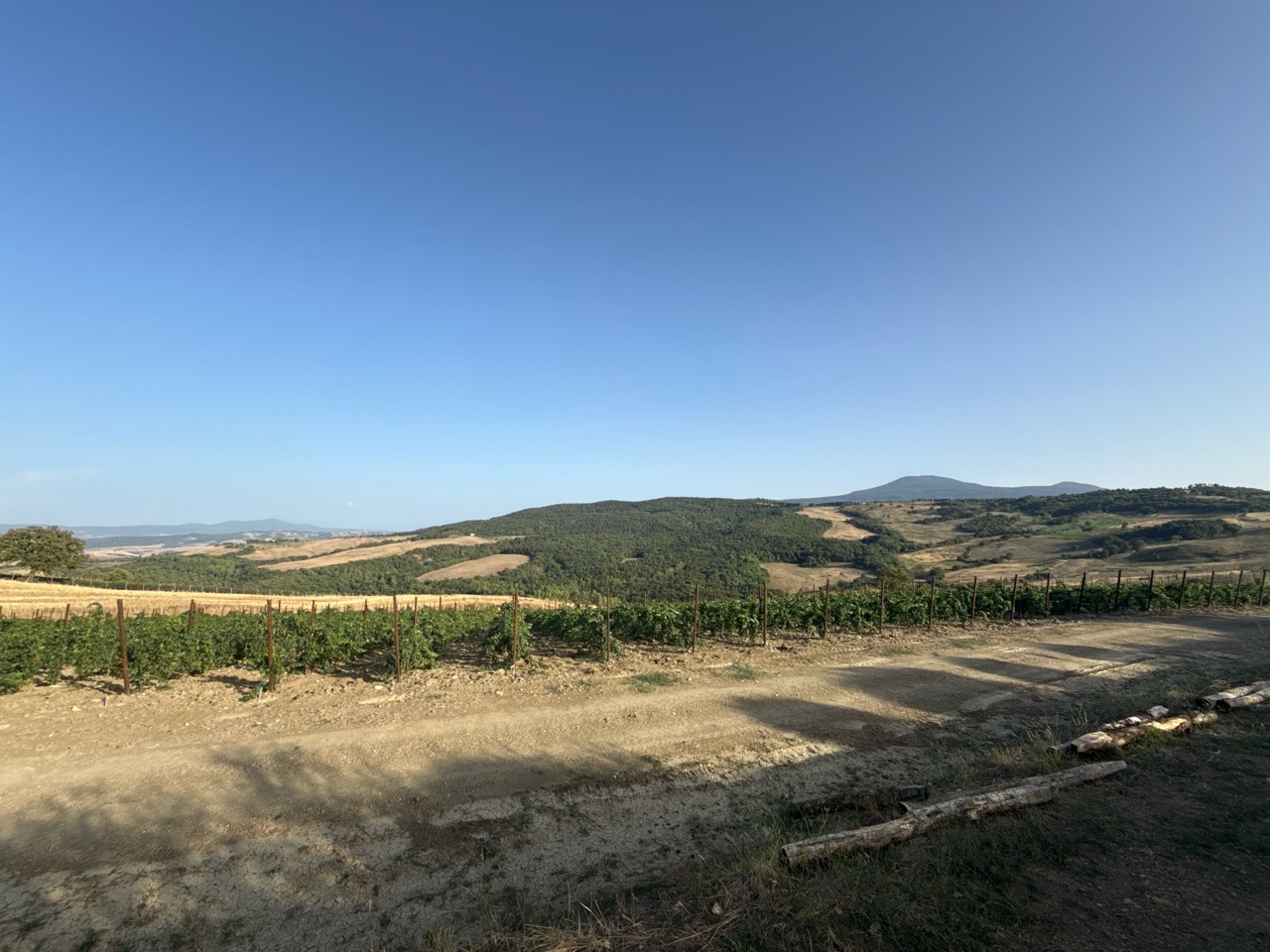
Vigna Casa nel Bosco Est is a young Cabernet Franc parcel. The two clones and two rootstocks recorded in the technical survey allow us to monitor over time how the vines respond to the conditions of the site.
Estate area: approximately 12,000 m² · Surveyed area under vine: 11,380 m² · Grape variety: 100% Cabernet Franc · Clones: 214 and 327 · Rootstocks: 1103P and 110R · Vertical trellis with Guyot pruning · Declared vine spacing: 2.70 × 0.90 m · 66 rows · Vines recorded: 5,001
The new plantings
Three distinct parcels, designed to study over time the relationship between varieties, clones and the conditions of each individual site.
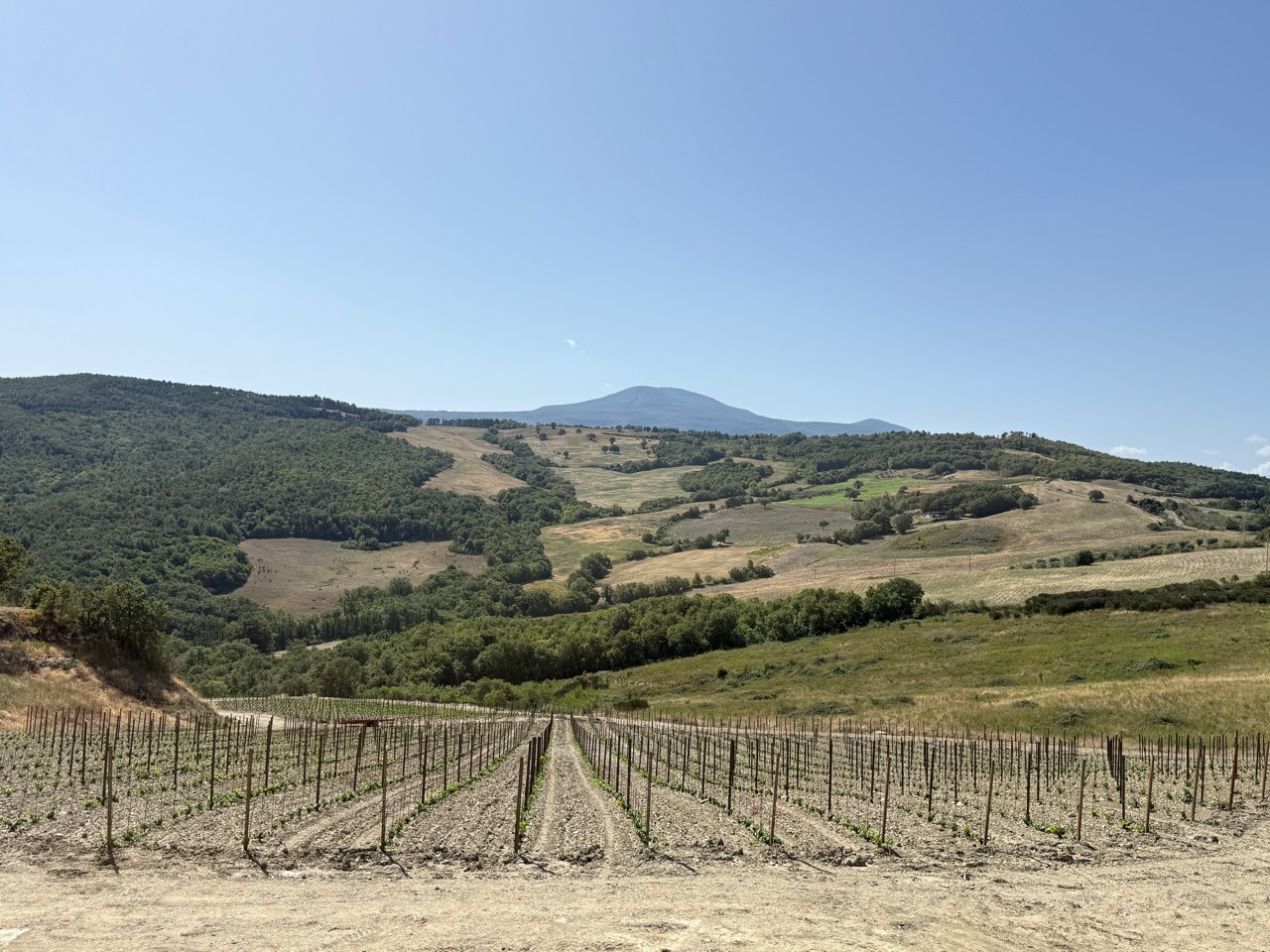
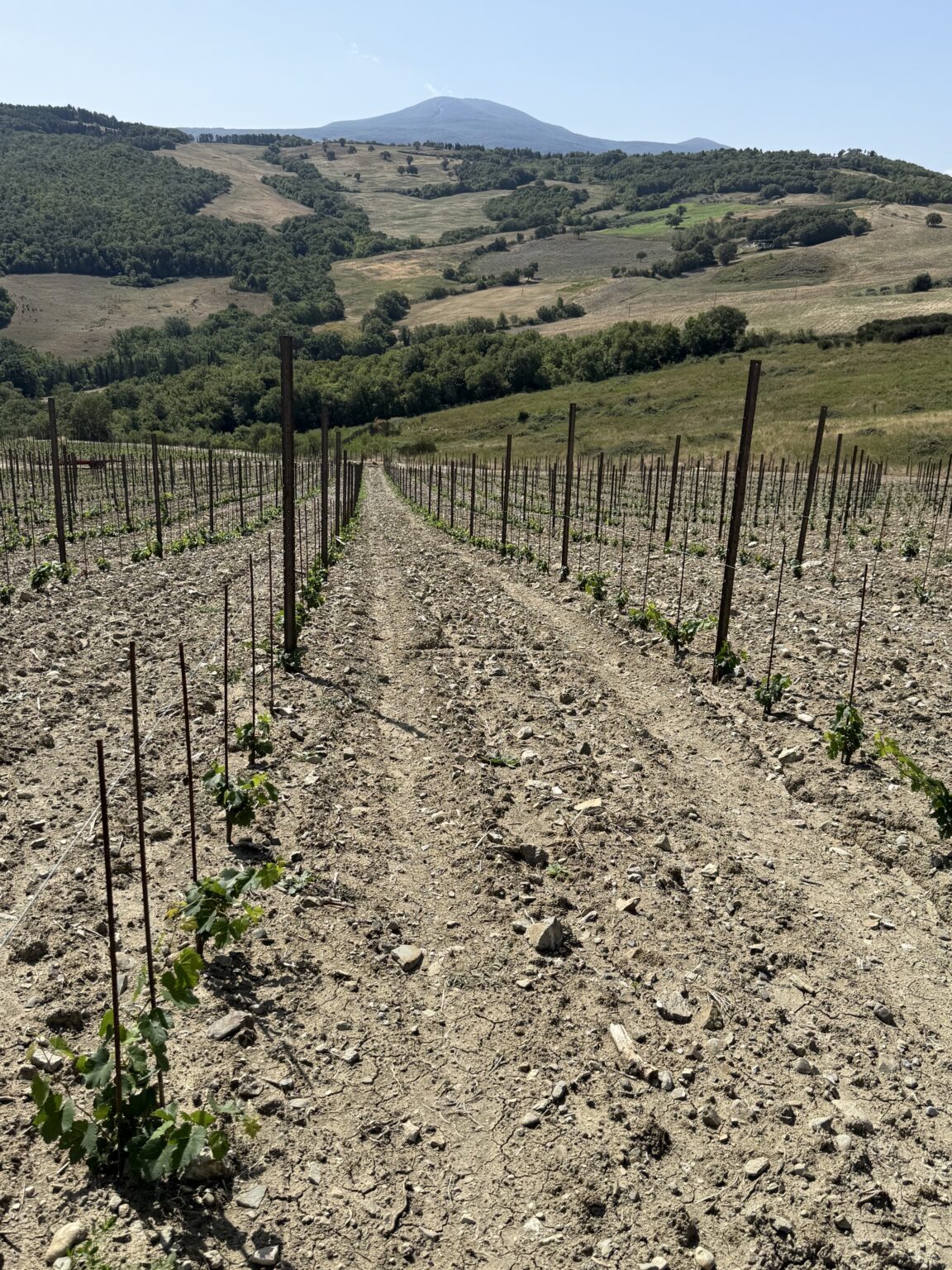
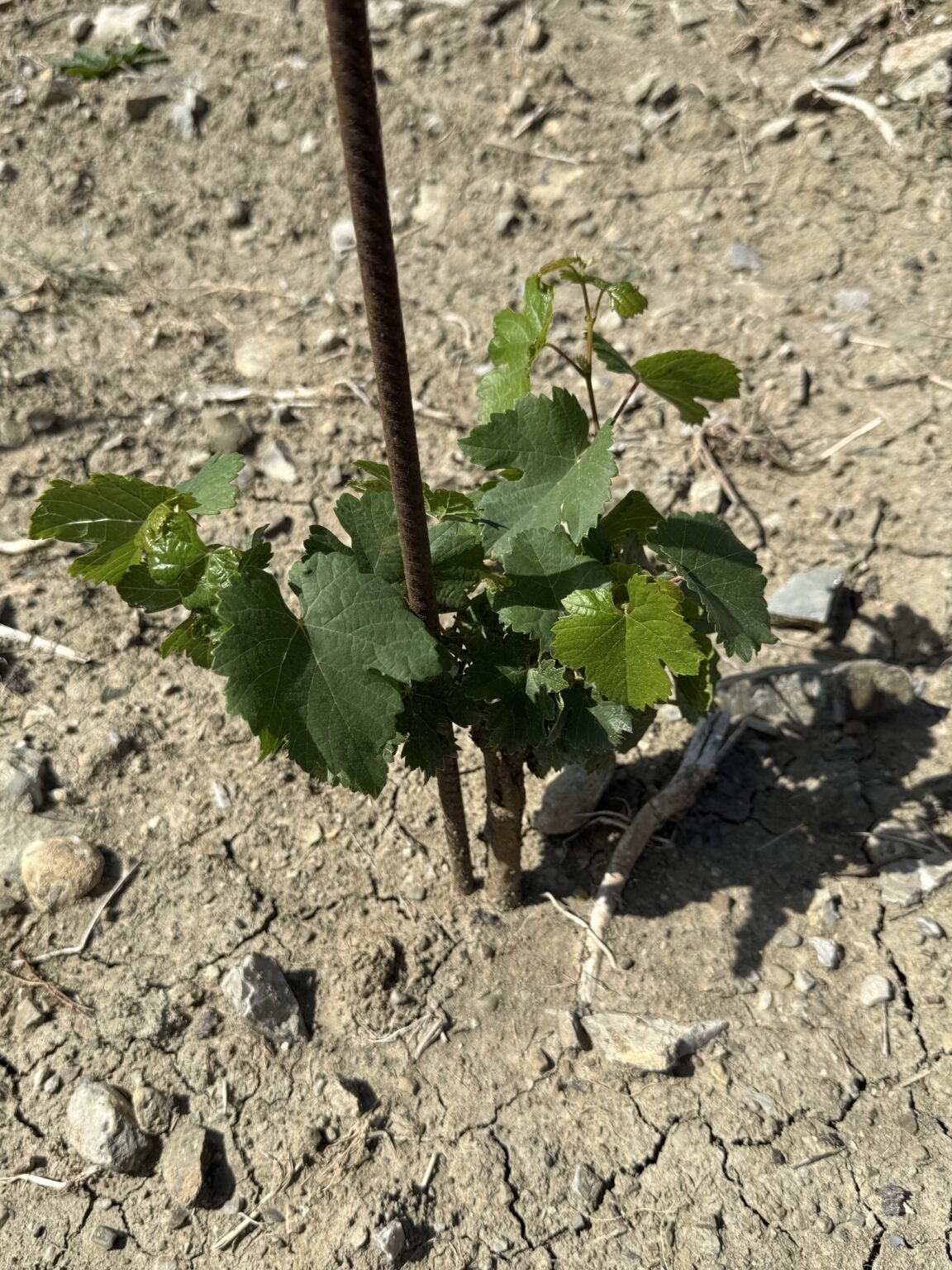
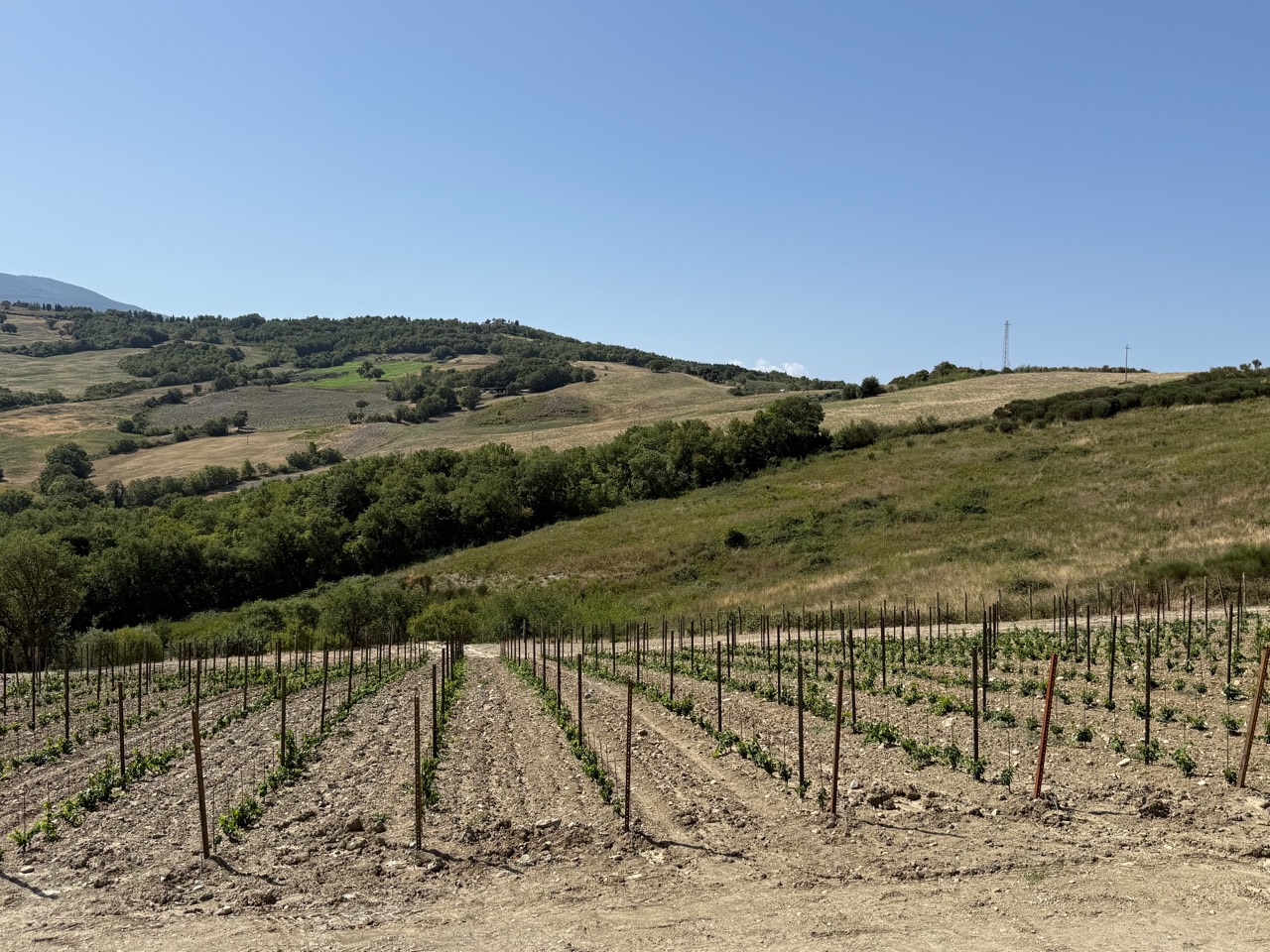
Vigna Casa nel Bosco Ovest
A new Cabernet Franc parcel that complements, while remaining distinct from, Casa nel Bosco Est and broadens the estate's work with this grape variety across two different sites.
Actual area under vine: 8,660 m² · 100% Cabernet Franc · Clone: 327 · Rootstock: 110R · Vertical trellis with Guyot pruning · Vine spacing: 2.70 × 0.90 m · Year: 2026 · 36 rows · Actual vine count: 3,626
Vigna del Fosso Ovest
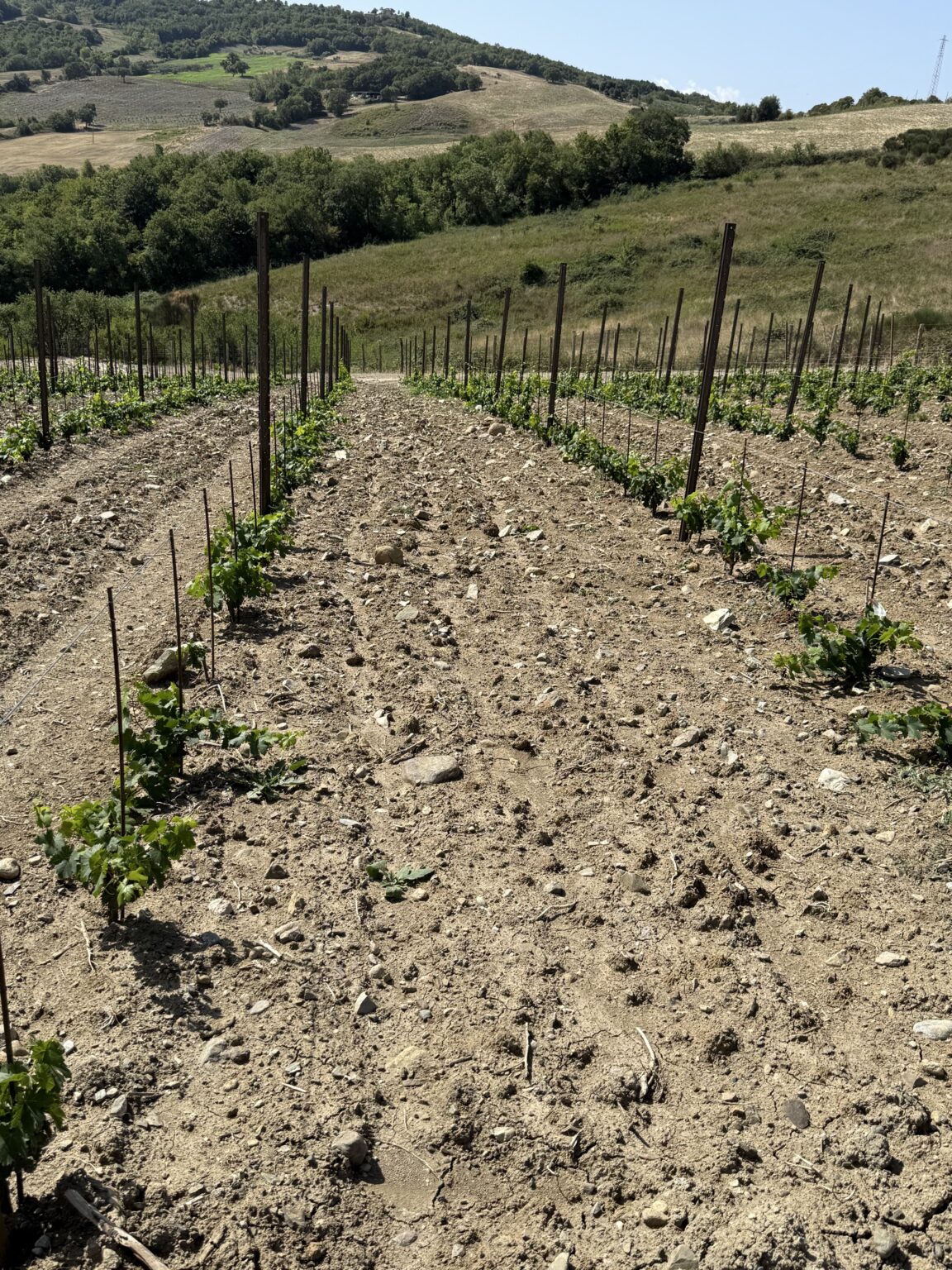
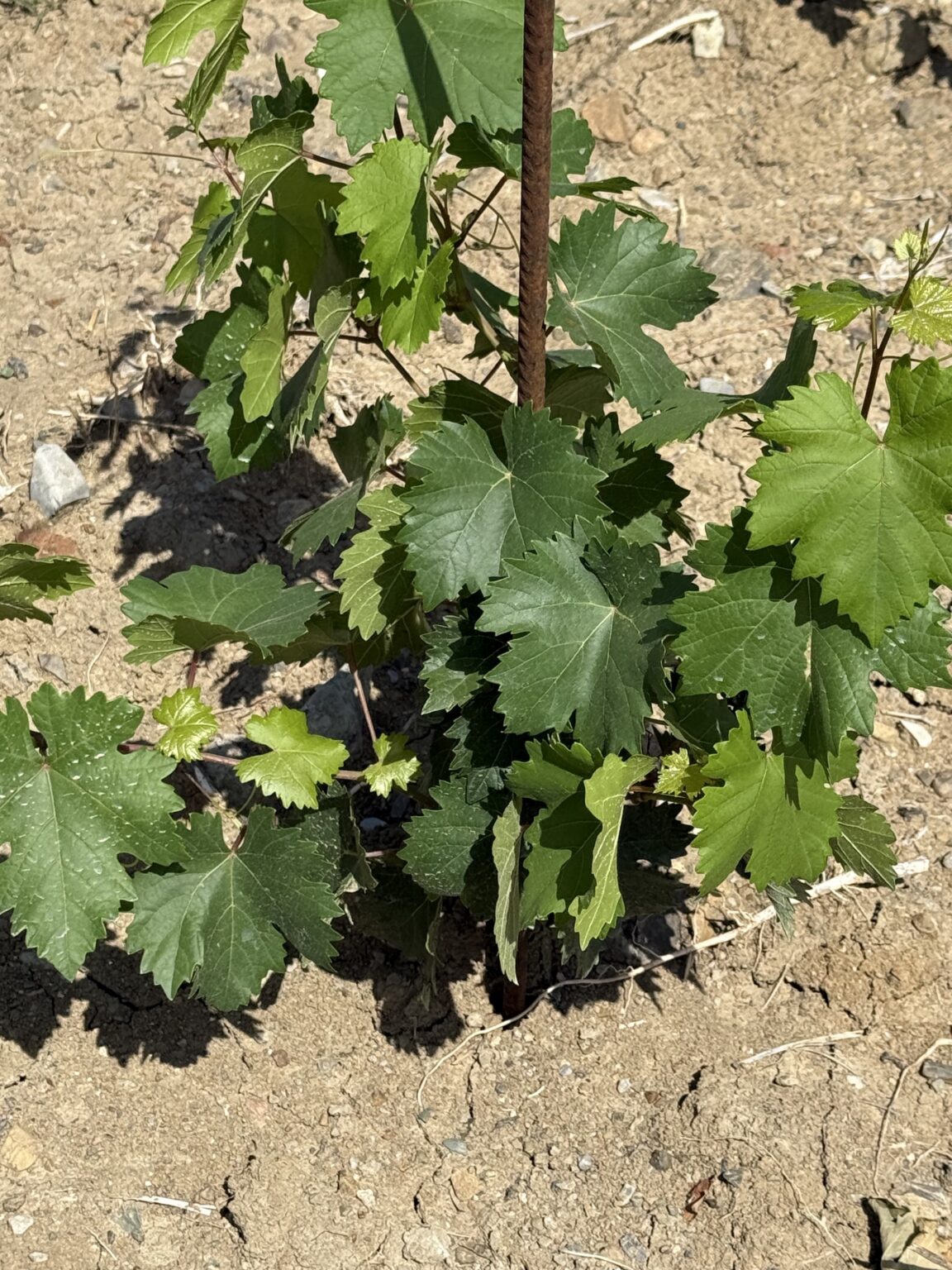
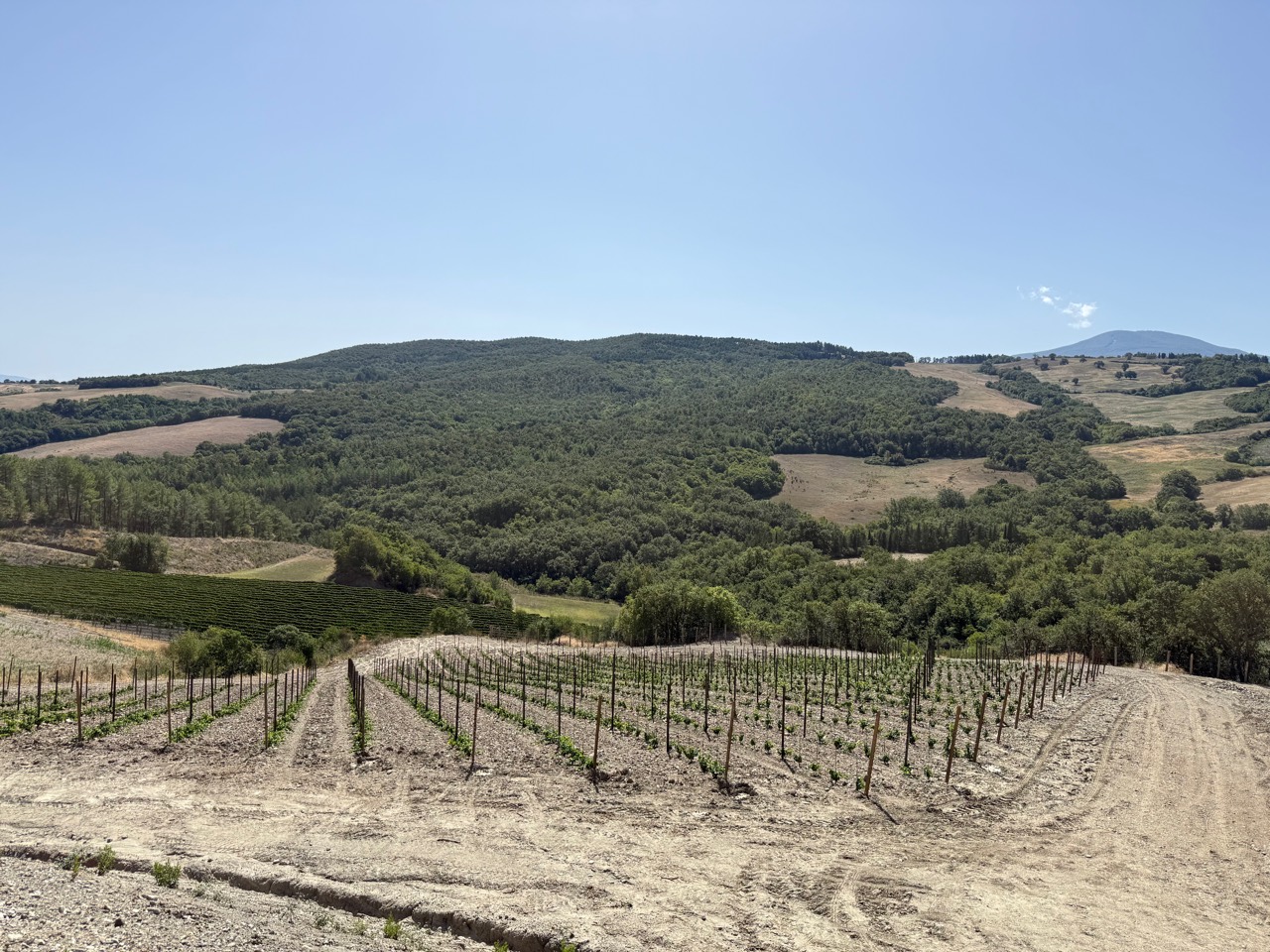
Two Vermentino clones grow in the same parcel, making this young vineyard a place where their different responses to the conditions of the Fosso can be observed.
Actual area under vine: 3,133 m² · 100% Vermentino · Clones: 640 and CAPVS3 · Rootstock: 110R · Vertical trellis with Guyot pruning · Vine spacing: 2.70 × 0.90 m · Year: 2026 · 25 rows · Actual vine count: 1,314
Vigna del Fosso Est
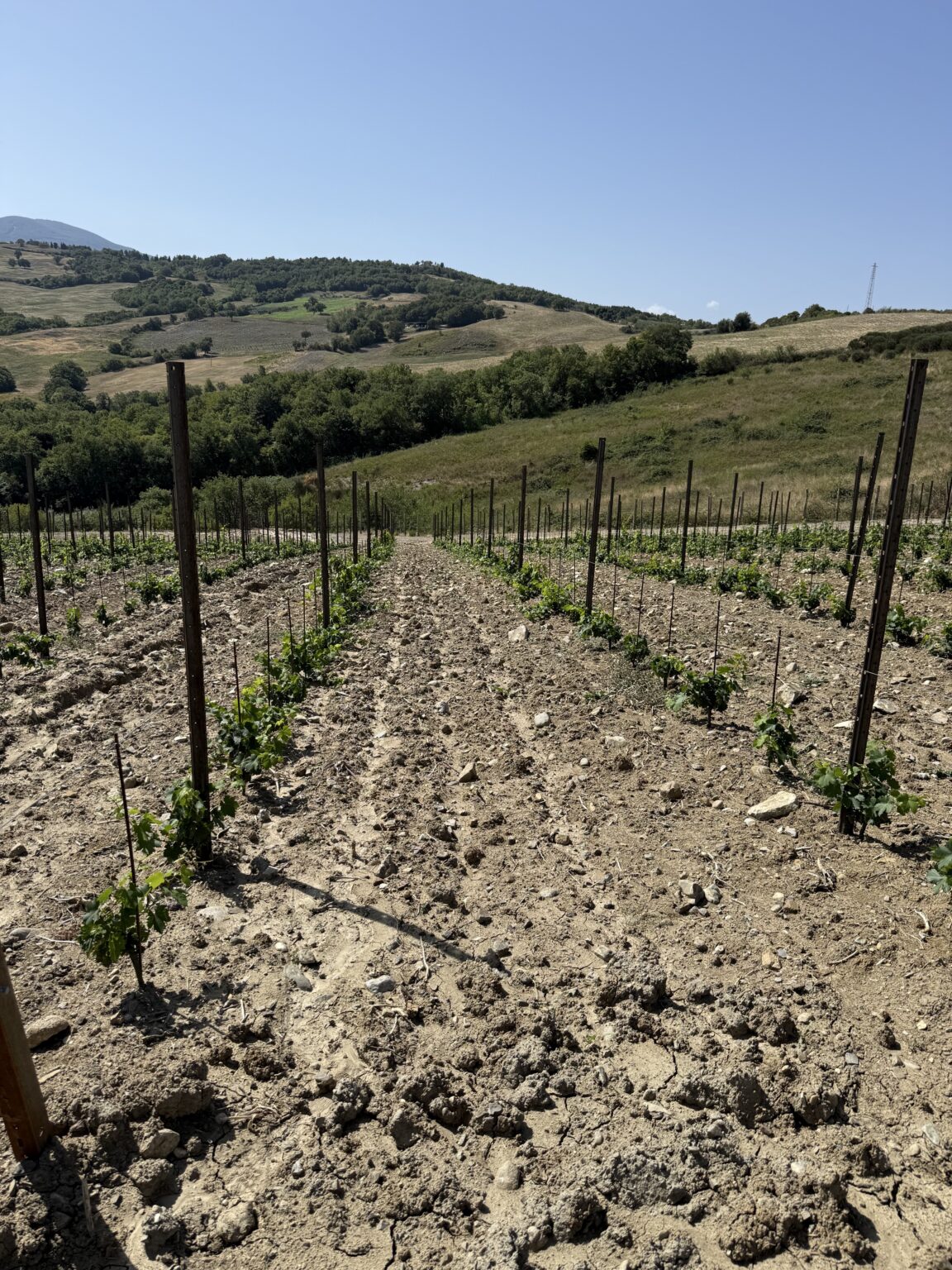
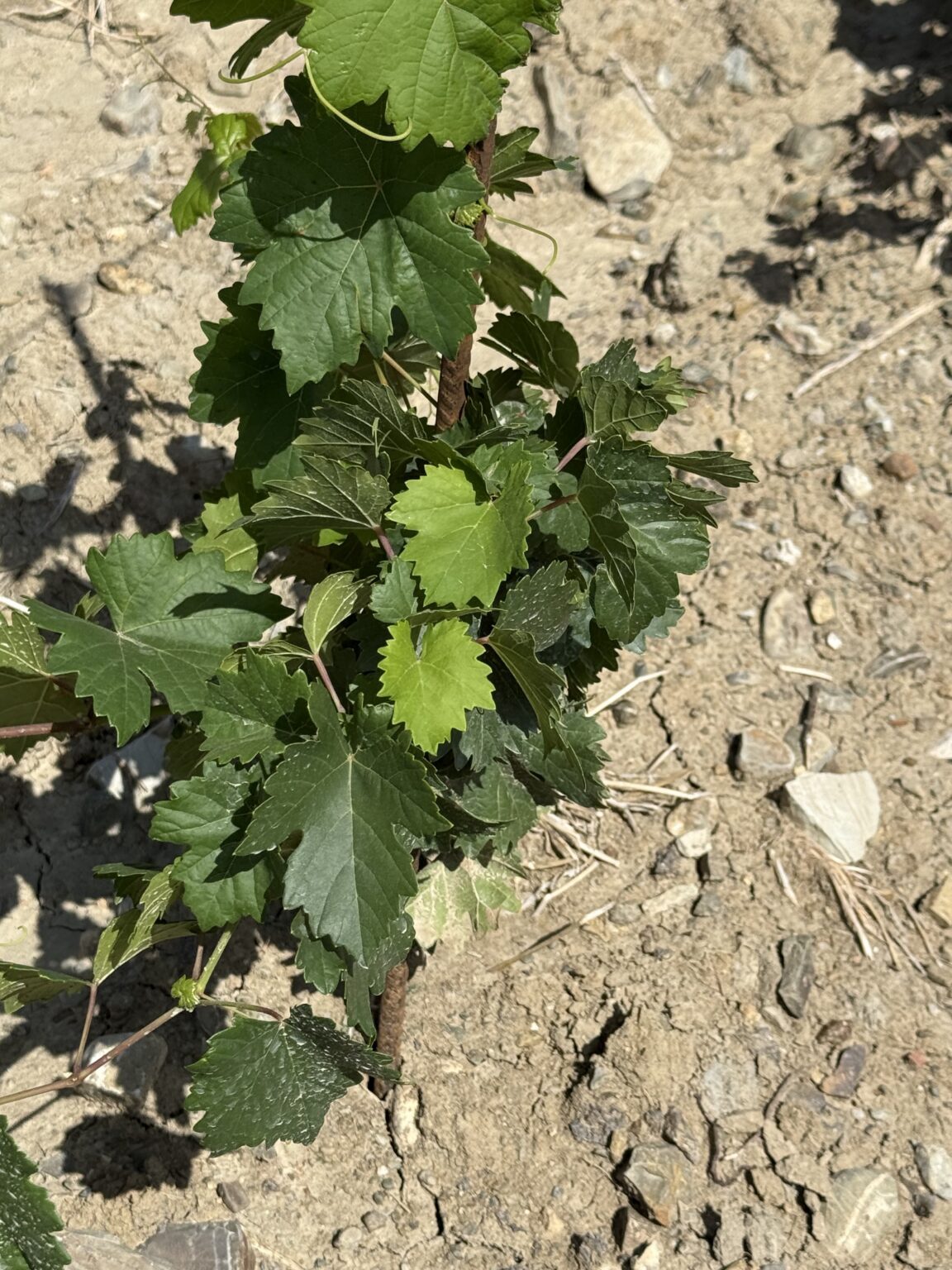
The second Vermentino parcel completes the new Fosso project while preserving the distinct identity of the individual site and the clone selected for it.
Actual area under vine: 4,537 m² · 100% Vermentino · Clone: 766 · Rootstock: 110R · Vertical trellis with Guyot pruning · Vine spacing: 2.70 × 0.90 m · Year: 2026 · 32 rows · Actual vine count: 1,912
From vineyard to wine
Every harvest is preceded by observations and selections that bring together ripeness, vine balance and parcel identity. Work in the cellar begins with this precise knowledge of each site, guiding every vintage without losing its connection to the land.
Frequently asked questions
Which grape varieties does Terre di Giorgio grow?
We grow Sangiovese in Vigna Diana, Vigna delle Querce and Vigna 78; Cabernet Franc in the Casa nel Bosco Est and Ovest parcels; and Vermentino in the Vigna del Fosso Est and Ovest parcels.
What is Vigna 78?
Vigna 78 is the estate's living library of Sangiovese clones: a project currently comprising three micro-vineyards dedicated to comparing clones and rootstocks.
Which vineyard produces CALUS?
CALUS comes from Vigna Diana. Following the selection carried out in August, the grapes are allocated to the different winemaking projects according to the characteristics of the vintage.
Which vineyards were planted in 2026?
In 2026 we planted Vigna Casa nel Bosco Ovest with Cabernet Franc, together with the two Vermentino parcels Vigna del Fosso Ovest and Vigna del Fosso Est.